Acetic Anhydride → Naphthalene-1,2,4-triyl triacetate
Reaction equation

[C:1]1(=[O:12])[C:10]2[C:5](=[CH:6][CH:7]=[CH:8][CH:9]=2)[C:4](=[O:11])[CH:3]=[CH:2]1.C([O:16][C:17](=[O:19])[CH3:18])(=O)C>B(F)(F)F.CCOCC>[C:4]([O:12][C:1]1[C:10]2[C:5](=[CH:6][CH:7]=[CH:8][CH:9]=2)[C:4]([O:11][C:1](=[O:12])[CH3:2])=[CH:3][C:2]=1[O:16][C:17](=[O:19])[CH3:18])(=[O:11])[CH3:3]Participants
4
Reactant 2


Product 1

Reagents, catalysts & solvents 1
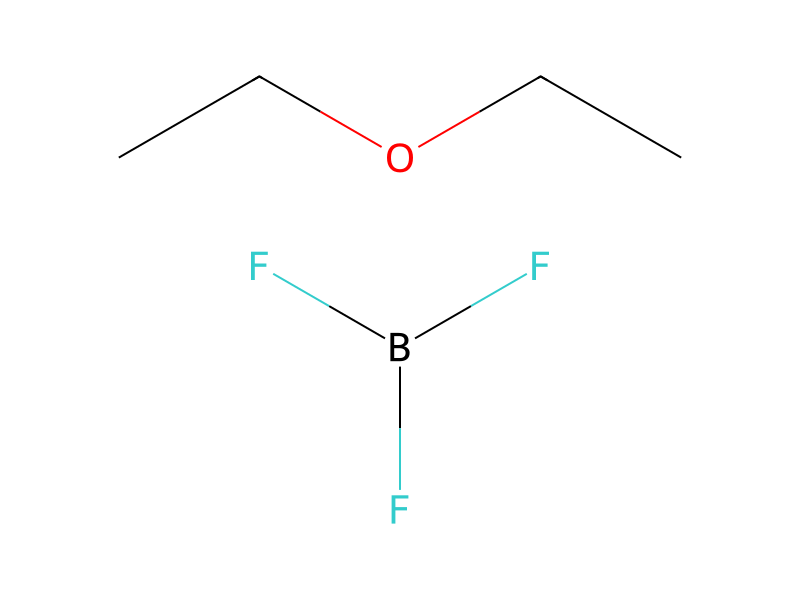
Procedure
A solution of 1,4-naphthoquinone (79 g) in acetic anhydride (200 mL) and boron trifluoride etherate (10 mL) was heated overnight, then cooled to room temperature to give 1,2,4-triacetyloxynaphthalene, m.p. 136°-137° C.
Sources & evidence
- ORD record
- ord-a43b6d386e544701bcfc2ff8e79bdbac
- Source dataset
- uspto-grants-1992_02
- Patent number
- US05091558
Reaction notes
Loading…