Dimethylamine → 3-bromo-7-dimethylsulfamoyl-10,11-dihydro-5H-dibenzo[a,d]-cyclohepten-5-one
Reaction equation

[Br:1][C:2]1[CH:3]=[CH:4][C:5]2[CH2:11][CH2:10][C:9]3[CH:12]=[CH:13][C:14]([S:16](F)(=[O:18])=[O:17])=[CH:15][C:8]=3[C:7](=[O:20])[C:6]=2[CH:21]=1.[CH3:22][NH:23][CH3:24]>O1CCOCC1>[Br:1][C:2]1[CH:3]=[CH:4][C:5]2[CH2:11][CH2:10][C:9]3[CH:12]=[CH:13][C:14]([S:16](=[O:18])(=[O:17])[N:23]([CH3:24])[CH3:22])=[CH:15][C:8]=3[C:7](=[O:20])[C:6]=2[CH:21]=1Participants
4
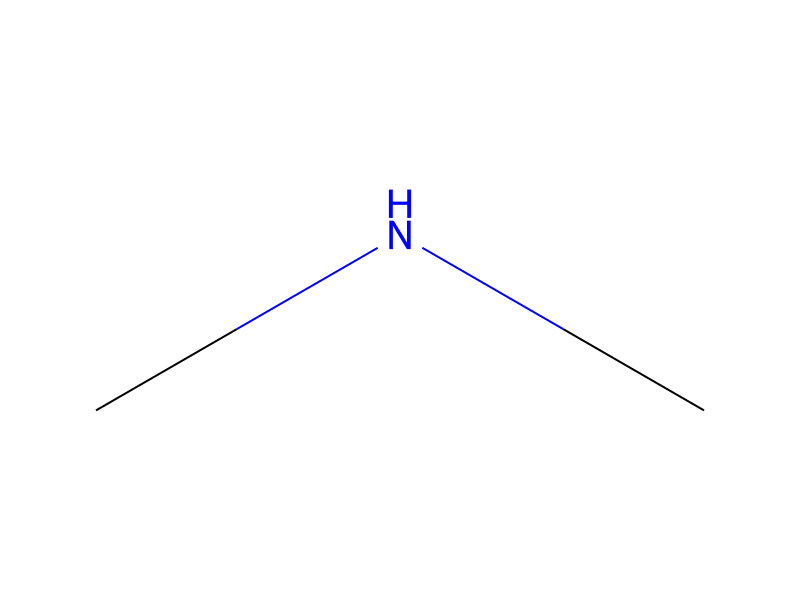



Procedure
3-Bromo-7-fluorosulfonyl-10,11-dihydro-5H-dibenzo[a,d]cyclohepten-5-one (2.5 g., 0.00677 mole) together with 30 ml. of 25% aqueous dimethylamine and 30 ml. of p-dioxane is heated to refluxing for 3 hours. The brown solution is evaporated to dryness under reduced pressure and the residue partitioned between benzene and water. After washing with water, the benzene layer is evaporated to dryness under reduced pressure, leaving 3-bromo-7-dimethylsulfamoyl-10,11-dihydro-5H-dibenzo[a,d]cyclohepten-5-one as a tan solid, m.p. 142°-145°C., in a yield of 2.1 g. (80%). An analytical sample melts at 146°-148°C. after crystallizations from mixtures of benzene and hexane and from methanol.
Workup
- temperatureto refluxing for 3 hours
- customThe brown solution is evaporated to dryness under reduced pressure
- customthe residue partitioned between benzene and water
- washAfter washing with water
- customthe benzene layer is evaporated to dryness under reduced pressure
Sources & evidence
- ORD record
- ord-ddbb2967d67f4192995b96293daed11b
- Source dataset
- uspto-grants-1976_09
- Patent number
- US03981917
Reaction notes
Loading…