1-Chloro-4-nitrobenzene → p-(p-Nitrophenoxy)anisole
Reaction equation

[N+:1]([C:4]1[CH:9]=[CH:8][C:7](Cl)=[CH:6][CH:5]=1)([O-:3])=[O:2].[OH:11][C:12]1[CH:17]=[CH:16][C:15]([O:18][CH3:19])=[CH:14][CH:13]=1.[OH-].[K+]>O>[CH3:19][O:18][C:15]1[CH:16]=[CH:17][C:12]([O:11][C:7]2[CH:8]=[CH:9][C:4]([N+:1]([O-:3])=[O:2])=[CH:5][CH:6]=2)=[CH:13][CH:14]=1Participants
5
Reactant 3

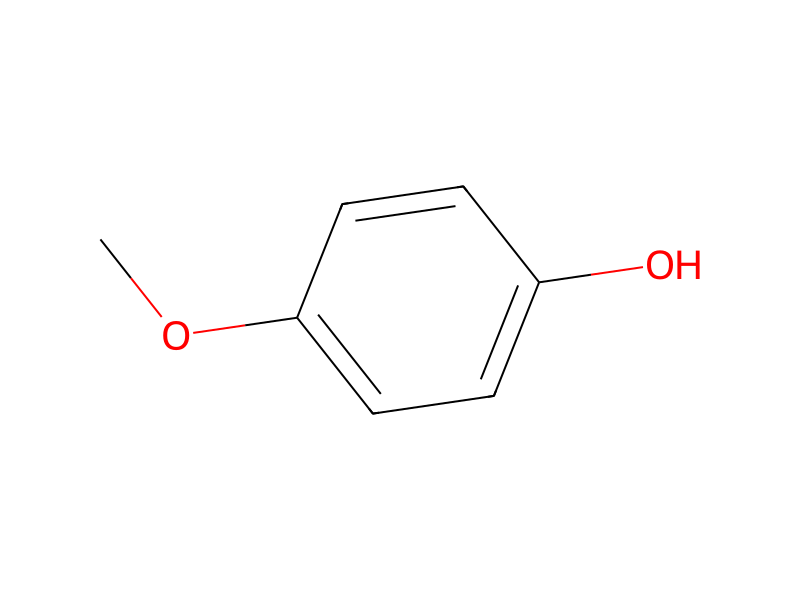

Product 1

Reagents, catalysts & solvents 1

Procedure
A mixture of 0.5 mole each of p-nitrochlorobenzene (79.0 g), p-hydroxyanisole (62.0 g), and potassium hydroxide (33.0 g, 86% pure), in 100 ml water was heated at 140° C. for about 3.5 hours. The resulting solid, collected by filtration, had a melting point of 100°-107° C. Reactants were further removed from the crude product by steam distillation, and the remaining solid was washed with copious amounts of water to afford a brown, granular mass of 4-methoxy-4'-nitrodiphenyl ether (83 g, 68% yield).
Workup
- filtrationThe resulting solid, collected by filtration
- customReactants were further removed from the crude product by steam distillation
- washthe remaining solid was washed with copious amounts of water
Sources & evidence
- ORD record
- ord-44e2180dd190439a9aa74e02ddac1598
- Source dataset
- uspto-grants-1981_09
- Patent number
- US04287372
Reaction notes
Loading…