Sodium Hydroxide → 2,5-Dimethyl-4-hydroxy-tetrahydrofuran-3-one
Reaction equation

[CH3:1][CH:2]1[CH:6]([OH:7])[CH:5]([OH:8])[CH:4]([CH3:9])[O:3]1.[OH-].[Na+]>[Ag].O>[CH3:1][CH:2]1[C:6](=[O:7])[CH:5]([OH:8])[CH:4]([CH3:9])[O:3]1Participants
Reactant 2


Product 1

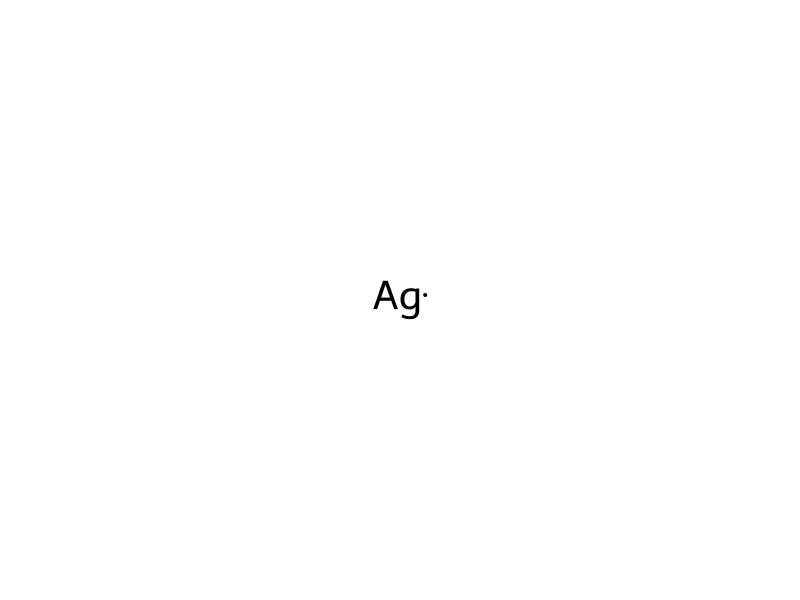
Reagents, catalysts & solvents 2

Conditions
- Temperature
- 20 °C
Procedure
A vertical tubular reactor of 2 cm internal diameter, at the top of which 28 g of silver crystals (8 g of particles with diameters from 0.75 to 1 mm, 14 g of particles with diameters of from 0.4 to 0.75 mm and 6 g of particles with diameters of from 0.2 to 0.4 mm) were arranged, as a 2 cm thick bed, above a silver gauze screen, was fed, per hour, with a gaseous mixture, at 175° C., of 18.7 liters of 2,5-dimethyl-3,4-dihydroxy-tetrahydrofuran (=110 g), 72 liters of air and 100 liters of nitrogen. The catalyst temperature was 535° C. and the residence time over the catalyst about 0.04 second. After having passed over the catalyst, the gas mixture was immediately cooled to 20° C. by passing it into water. The resulting solution was brought to pH 8 with 10% strength NaOH solution. The water was then stripped off at 20 mbar and the residue was distilled at 1.3 mbar. This gave, at 61°-66° C., 35 g of a distillate containing about 80% of 2,5-dimethyl-4-hydroxy-tetrahydrofuran-3-one, and, at 109°-120° C., 60 g of unconverted 2,5-dimethyl-3,4-dihydroxy-tetrahydrofuran. The conversion was about 45% and the yield, based thereon, about 70%.
Workup
- customwas 535° C.
- customover the catalyst about 0.04 second
- distillationthe residue was distilled at 1.3 mbar
- additionThis gave, at 61°-66° C., 35 g of a distillate containing about 80% of 2,5-dimethyl-4-hydroxy-tetrahydrofuran-3-one
- customat 109°-120° C.
Sources & evidence
- ORD record
- ord-1d66bdba6f4a4d46adeba42813aa99c3
- Source dataset
- uspto-grants-1981_09
- Patent number
- US04290960
Reaction notes
Loading…