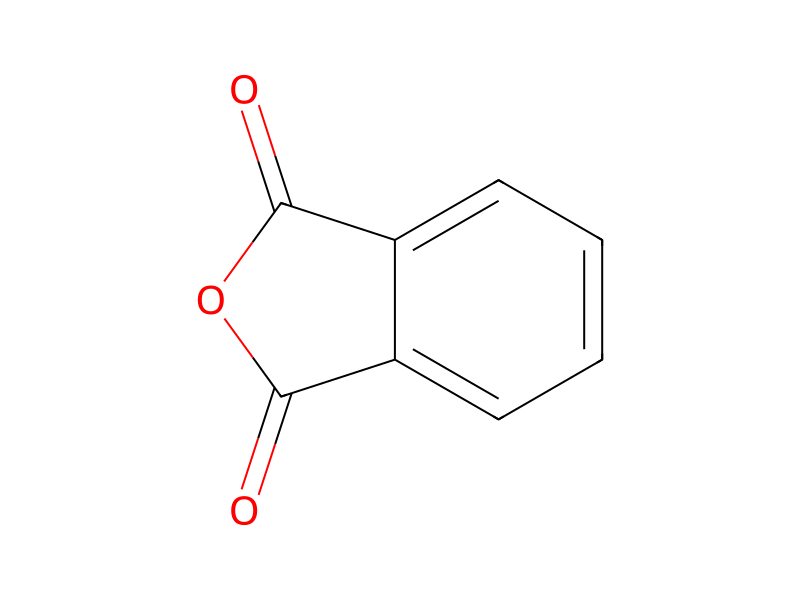
Phthalic Anhydride → Ammonia
Reaction equation

[C:1]1(=[O:11])[O:6][C:4](=O)[C:3]2=[CH:7][CH:8]=[CH:9][CH:10]=[C:2]12.[NH2:12][CH:13]1[CH2:18][CH2:17][N:16]([CH2:19][CH2:20][C:21]2[C:29]3[C:24](=[CH:25][CH:26]=[CH:27][CH:28]=3)[NH:23][CH:22]=2)[CH2:15][CH2:14]1>C(Cl)(Cl)Cl.C(O)(=O)C>[NH3:12].[NH:23]1[C:24]2[C:29](=[CH:28][CH:27]=[CH:26][CH:25]=2)[C:21]([CH2:20][CH2:19][N:16]2[CH2:15][CH2:14][CH:13]([N:12]3[C:1](=[O:11])[C:2]4[C:3](=[CH:7][CH:8]=[CH:9][CH:10]=4)[C:4]3=[O:6])[CH2:18][CH2:17]2)=[CH:22]1Participants
Reactant 2

Product 2


Reagents, catalysts & solvents 2


Procedure
Phthalic anhydride (2.96 g, 0.02 mol, finely ground) and 4-amino-1-[2-(indol-3-yl)ethyl]piperidine (4.86 g, 0.02 mol) were suspended in chloroform (40 cm3) and the suspension stirred at room temperature overnight. The solvent was then evaporated and acetic anhydride (40 cm3) added to the residue. This mixture was heated on a steam bath for 2 hours then the solvent removed in vacuo to give a glassy solid which was dissolved in very dilute aqueous acetic acid. Basification of the solution with 0.880 ammonia gave the title compound as a gum which solidified on trituration with methanol. (4.31 g, 57.8%). A suspension of the base in ethanolic HCl was stirred overnight to give the hydrochloride, mp. 252°-260° after extensive decomposition above 240° C.
Workup
- customThe solvent was then evaporated
- additionacetic anhydride (40 cm3) added to the residue
- temperatureThis mixture was heated on a steam bath for 2 hours
- customthe solvent removed in vacuo
- customto give a glassy solid which
Sources & evidence
- ORD record
- ord-ced2f995e5fb4ccc8a28e614ff735c55
- Source dataset
- uspto-grants-1981_09
- Patent number
- US04291042
Reaction notes
Loading…