Dimethyl Sulfate → HCID 178503010, compound
Reaction equation

[C:1]1(=O)[NH:7][CH2:6][CH2:5][CH2:4][CH2:3][CH2:2]1.[S:9]([O:14]C)([O:12][CH3:13])(=[O:11])=[O:10].[Cl:16][C:17]1[CH:18]=[C:19]([NH:23][NH2:24])[CH:20]=[CH:21][CH:22]=1>CO>[CH3:13][O:12][S:9]([OH:14])(=[O:11])=[O:10].[Cl:16][C:17]1[CH:18]=[C:19]([NH:23][N:24]=[C:1]2[NH:7][CH2:6][CH2:5][CH2:4][CH2:3][CH2:2]2)[CH:20]=[CH:21][CH:22]=1Participants
Reactant 3

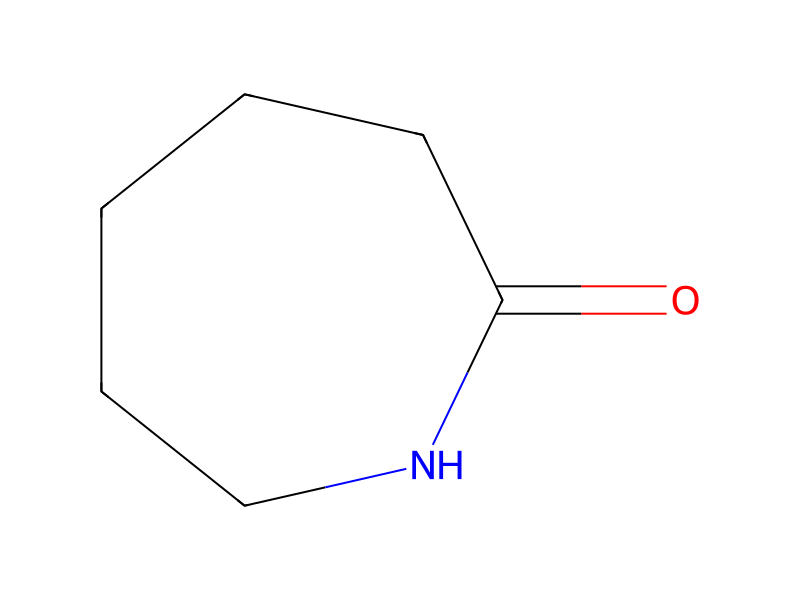

Product 1

Reagents, catalysts & solvents 1

Procedure
56.6 G (0.5 mole) of caprolactam were fused and 63.1 g (0.5 mole) of dimethyl sulfate were allowed to run into the melt at 70° to 80°C. The mixture was kept at 80° to 90°C for a further 2 hours and cooled, and the viscous melt was taken up in 250 ml of methanol. Reaction with 72 g (0.5 mole) of 3-chlorophenylhydrazine was then carried out in the same manner as indicated in Example 1a, and 99.5 g (57% of theory) of caprolactam-(3-chlorophenylhydrazone) monomethylsulfate were obtained as colorless crystals of melting point 135°C. On concentrating the mother liquors and treating with excess sodium hydroxide solution, 33.3 g (28% of theory) of caprolactam-(3-chlorophenylhydrazone) of boiling point 180°C/0.08 mmHg were obtained. The total yield was 85% of theory.
Workup
- customto run into the melt at 70° to 80°C
- temperaturecooled
Sources & evidence
- ORD record
- ord-5c8c6923a1e24f27adcfce3e333de518
- Source dataset
- uspto-grants-1976_02
- Patent number
- US03936444
Reaction notes
Loading…