3-Pyridinemethanol → Mieshuan
Reaction equation

[N+:1]([C:4]1[CH:9]=[CH:8][C:7]([N:10]=[C:11]=[O:12])=[CH:6][CH:5]=1)([O-:3])=[O:2].[N:13]1[CH:18]=[CH:17][CH:16]=[C:15]([CH2:19][OH:20])[CH:14]=1>C1C=CC=CC=1>[N+:1]([C:4]1[CH:5]=[CH:6][C:7]([NH:10][C:11](=[O:12])[O:20][CH2:19][C:15]2[CH:14]=[N:13][CH:18]=[CH:17][CH:16]=2)=[CH:8][CH:9]=1)([O-:3])=[O:2]Participants
4
Reactant 2

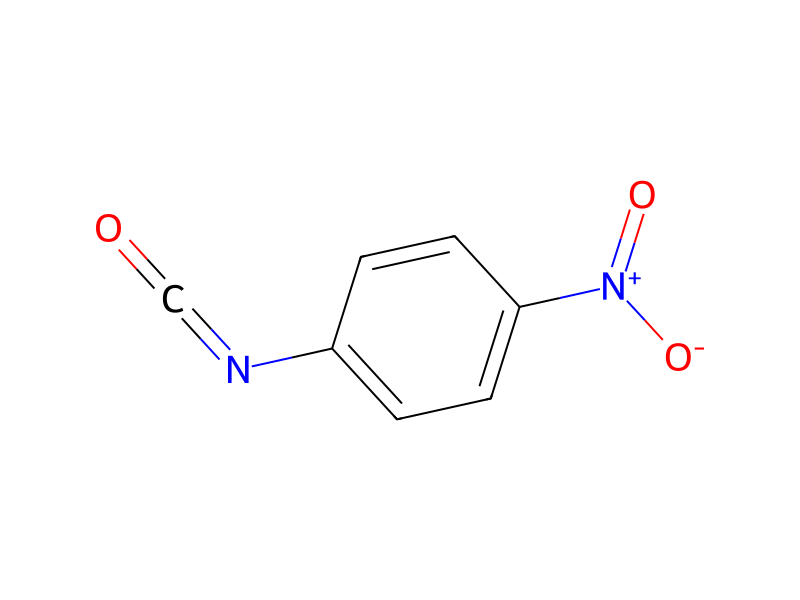
Product 1

Reagents, catalysts & solvents 1

Procedure
p-Nitrophenylisocyanate (0.1 mole) was added to a solution of 3-pyridylcarbinol (0.1 mole) in 300 ml. of benzene. An exothermic reaction took place and a yellow solid formed. The suspension was heated to reflux and then stirred for 2 hours. The suspension was then cooled and filtered, affording 27 g. of a crude product melting at 230°-231° C. (decomposed). This is a 99% yield of 3-pyridylmethyl N-(4'-nitrophenyl)-carbamate. The product was purified by recrystallization from 2-methoxyethanol (methyl Cellosolve).
Workup
- customAn exothermic reaction
- customa yellow solid formed
- temperatureThe suspension was heated
- temperatureto reflux
- temperatureThe suspension was then cooled
- filtrationfiltered
- customaffording 27 g
Sources & evidence
- ORD record
- ord-15c7a3cc735741d98d34f34b723b332c
- Source dataset
- uspto-grants-1976_01
- Patent number
- US03931202
Reaction notes
Loading…