Benzoyl Peroxide → 1,8-Naphthyridine
Reaction equation

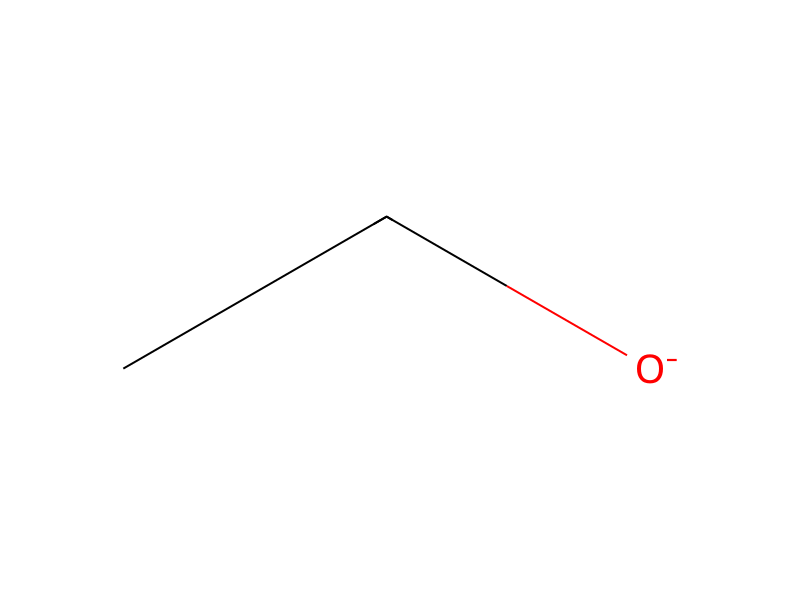
I[C:2]1[CH:3]=[C:4]([C:9](O)=O)[C:5](C)=[N:6][CH:7]=1.C1C(=O)[N:16](Br)[C:14](=O)[CH2:13]1.C(OOC(=O)C1C=CC=CC=1)(=O)C1C=CC=CC=1.[O-]CC>C(O)C.N1C=CC=CC=1>[N:16]1[C:5]2[C:4](=[CH:3][CH:2]=[CH:7][N:6]=2)[CH:9]=[CH:13][CH:14]=1Participants






Procedure
5-Hydroxy-[1,7]naphthyridine-6-carboxamides. Preparation of specific examples of heterocycle W3.6 follows established precedent for 5-hydroxy--[1,7]naphthyridine ring synthesis (Just. Liebigs. 1979, 443-445.), Chart P. 5-Iodo-2-methylpyridine-3-carboxylic acid (P.1) (J. Am. Chem. Soc. 1953, 75, 737) is brominated under radical conditions (e.g. NBS, benzoylperoxide) to afford pyridine P.2. P.2 is treated with ethyl 2-N-toluenesulfonylaminoacetate to provide P.3. Upon treatment of P.3 with ethoxide in ethanol, ring cyclization and elimination occurs to afford naphthyridine P.4. The resulting ester is then treated with a benzylamine (e.g. 4-chlorobenzylamine, 4-bromobenzylamine, or 4-fluorobenzylamine) at high temperature to afford the corresponding amides of the general formula P.5 or, alternatively, ester P.4 is saponified to afford the corresponding acid which is then coupled with a benzylamine employing standard amide coupling protocols (e.g. HOBT/EDC or other suitable carboxylic acid activating agent) to likewise provide amides of the general formula P.5.
Workup
- customfor 5-hydroxy--[1,7]naphthyridine ring synthesis (Just
- customto provide P.3
Sources & evidence
- ORD record
- ord-0b3103d3e5b24960aad3cfe121c39a56
- Source dataset
- uspto-grants-2004_05
- Patent number
- US06730682B2
Reaction notes
Loading…