Benzylamine → Diethyl 1-benzylpyrrolidine-2,5-dicarboxylate
Reaction equation

[CH3:1][CH2:2][O:3][C:4]([CH:6](Br)[CH2:7][CH2:8][CH:9](Br)[C:10]([O:12][CH2:13][CH3:14])=[O:11])=[O:5].[CH2:17]([NH2:24])[C:18]1[CH:23]=[CH:22][CH:21]=[CH:20][CH:19]=1>C1C=CC=CC=1>[CH3:1][CH2:2][O:3][C:4]([CH:6]1[N:24]([CH2:17][C:18]2[CH:23]=[CH:22][CH:21]=[CH:20][CH:19]=2)[CH:9]([C:10]([O:12][CH2:13][CH3:14])=[O:11])[CH2:8][CH2:7]1)=[O:5]Participants
4
Reactant 2
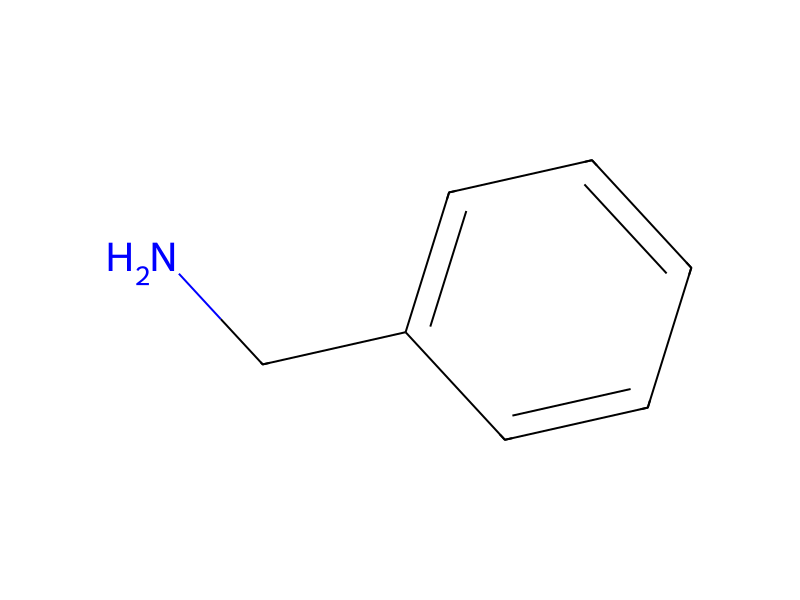

Product 1

Reagents, catalysts & solvents 1

Procedure
A solution of Diethyl meso-2,5-dibromoadipate (50 g, 139 mmol) in benzene (150 mL) was heated to reflux. Then heating was discontinued and benzylamine (50 mL) was added under stirring in 1 h. At the end of the addition, the mixture was refluxed for 20 h. After cooling down, the hydrobromide salt was filtered off and washed with benzene, and the benzene solution was evaporated. The residue was distilled under reduced pressure (180-190° C./0.3 mmHg) to give a product (39.9 g, 94%) as a yellow oil.
Workup
- temperatureThen heating
- additionAt the end of the addition
- temperaturethe mixture was refluxed for 20 h
- temperatureAfter cooling down
- filtrationthe hydrobromide salt was filtered off
- washwashed with benzene
- customthe benzene solution was evaporated
- distillationThe residue was distilled under reduced pressure (180-190° C./0.3 mmHg)
Sources & evidence
- ORD record
- ord-071c39e2bc004e888faa39e8e14472f4
- Source dataset
- uspto-grants-2004_05
- Patent number
- US06734306B2
Reaction notes
Loading…