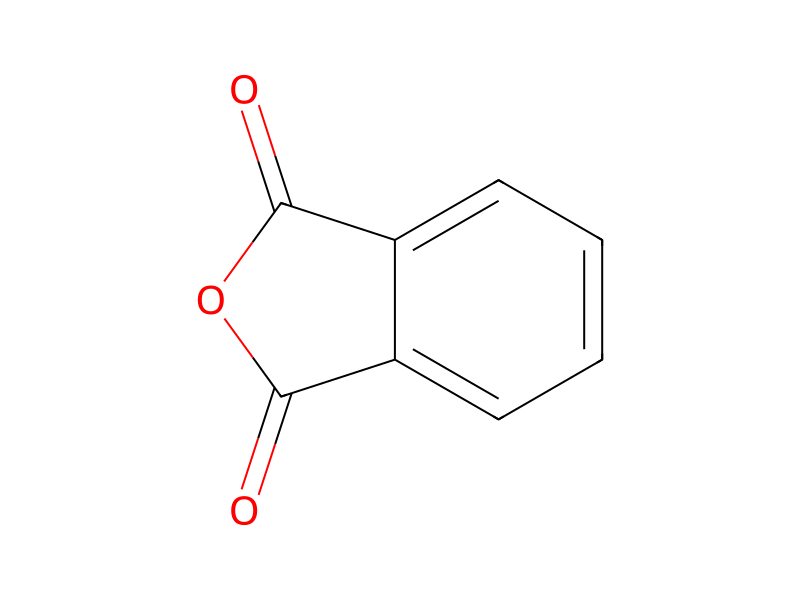
Phthalic Anhydride → HCID 3132071, compound
Reaction equation

[C:1]1(=[O:11])[O:6][C:4](=[O:5])[C:3]2=[CH:7][CH:8]=[CH:9][CH:10]=[C:2]12.[N:12]1([CH2:17][CH2:18][CH2:19][NH2:20])[CH:16]=[CH:15][N:14]=[CH:13]1.FC1C=CC=C2C(OC(=O)C=12)=O.ClC1C=C2C(=O)OC(=O)C2=CC=1Cl.CC1C=C2C(=O)OC(=O)C2=CC=1>C(Cl)Cl>[N:12]1([CH2:17][CH2:18][CH2:19][NH:20][C:4](=[O:5])[C:3]2[C:2](=[CH:10][CH:9]=[CH:8][CH:7]=2)[C:1]([OH:6])=[O:11])[CH:16]=[CH:15][N:14]=[CH:13]1Participants
7





Procedure
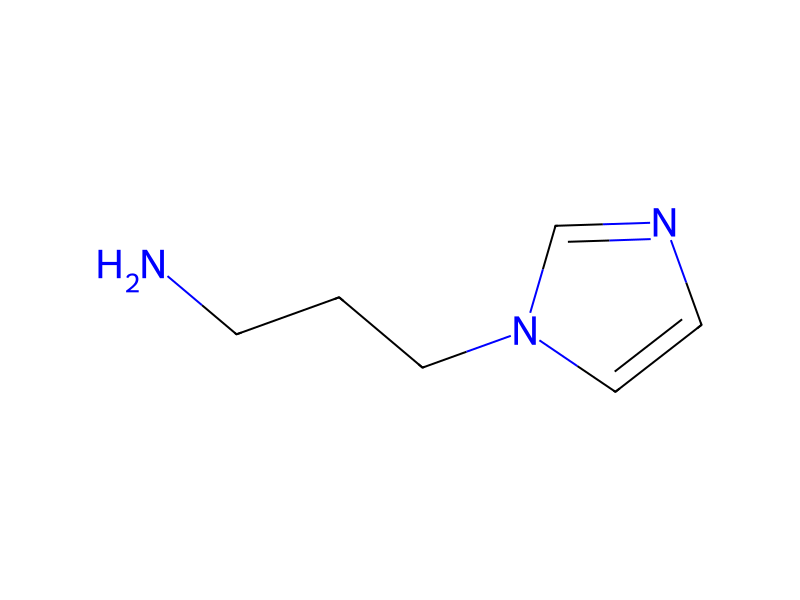
A mixture of 0.01 mole of phthalic anhydride, 0.01 mole of 3-(1H-imidazol-1-yl)propanamine and 30 ml. of methylene chloride was stirred at room temperature for 3 hours and concentrated. The residue was recrystallized from ethanol whereby the desired product, m.p. 160°-162° C., was obtained. By substituting 3-fluorophthalic anhydride, 4,5-dichlorophthalic anhydride, and 4-methylphthalic anhydride for the phthalic anhydride of this example, the compounds set forth in Table XX below were obtained.
Workup
- concentrationconcentrated
- customThe residue was recrystallized from ethanol whereby the desired product, m.p. 160°-162° C.
- customwas obtained
- custombelow were obtained
Sources & evidence
- ORD record
- ord-172fbd7a9deb4cc1a1b90d493bb739b6
- Source dataset
- uspto-grants-1986_02
- Patent number
- US04568687
Reaction notes
Loading…