Water → 5,7-Dichloro-4-(4,6-dimethyl-2-pyrimidinylthio)quinoline
Reaction equation

Cl[C:2]1[C:11]2[C:6](=[CH:7][C:8]([Cl:13])=[CH:9][C:10]=2[Cl:12])[N:5]=[CH:4][CH:3]=1.[CH3:14][C:15]1[CH:20]=[C:19]([CH3:21])[N:18]=[C:17]([SH:22])[N:16]=1.O>CN1CCN(C)C1=O>[Cl:12][C:10]1[CH:9]=[C:8]([Cl:13])[CH:7]=[C:6]2[C:11]=1[C:2]([S:22][C:17]1[N:18]=[C:19]([CH3:21])[CH:20]=[C:15]([CH3:14])[N:16]=1)=[CH:3][CH:4]=[N:5]2Participants



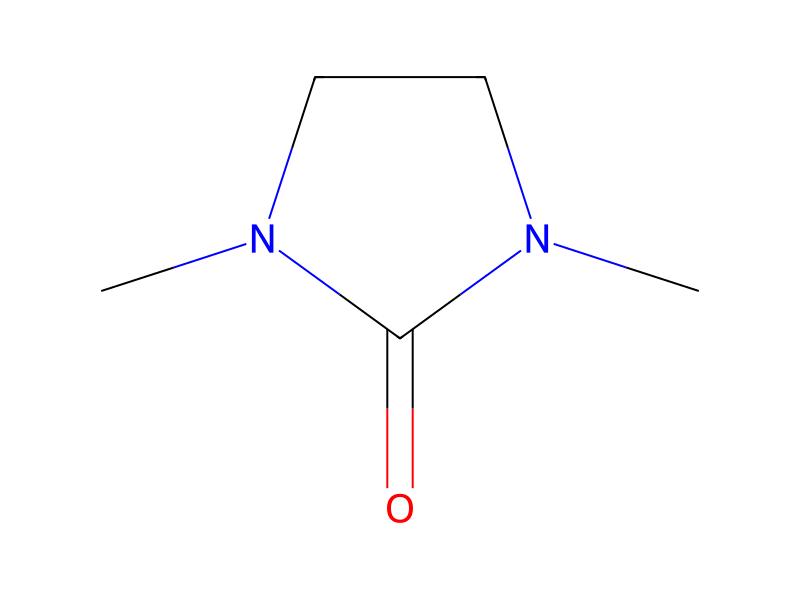
Procedure
A solution was prepared by dissolving 15.7 g of 4,5,7-trichloroquinoline in 60 ml of dry dimethylimidazolidinone. To the solution, 10.4 g of 4,6-dimethyl-2-mercaptopyrimidine was added with stirring at the room temperature. The reaction was progressed with heat evolution and the temperature of the reaction mixture was increased to 50° C. Crystals were precipitated in the course of the reaction. After finishing the addition, stirring was continued for about 2 hours to complete the reaction. The reaction mixture was mixed with 300 ml of water. Precipitated crystals were filtered and recrystallized from acetone to obtain 20.8 g (91.9% yield) of 5,7-dichloro-4-(4,6-dimethyl-2-pyrimidinylthio)quinoline. Melting point was 182.0°-183.2° C.
Workup
- customA solution was prepared
- temperaturewith heat evolution
- temperaturethe temperature of the reaction mixture was increased to 50° C
- customCrystals were precipitated in the course of the reaction
- additionthe addition
- stirringstirring
- customthe reaction
- customPrecipitated crystals
- filtrationwere filtered
- customrecrystallized from acetone
Sources & evidence
- ORD record
- ord-202383235c0d4b8a871cd9cea8f6ad26
- Source dataset
- uspto-grants-1993_04
- Patent number
- US05202329
Reaction notes
Loading…