Formic Acid → Adipic Acid
Reaction equation

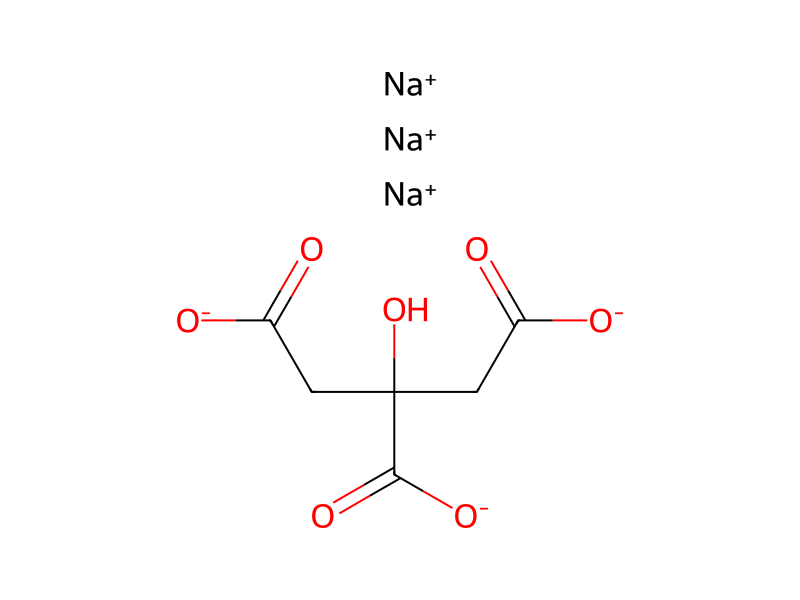
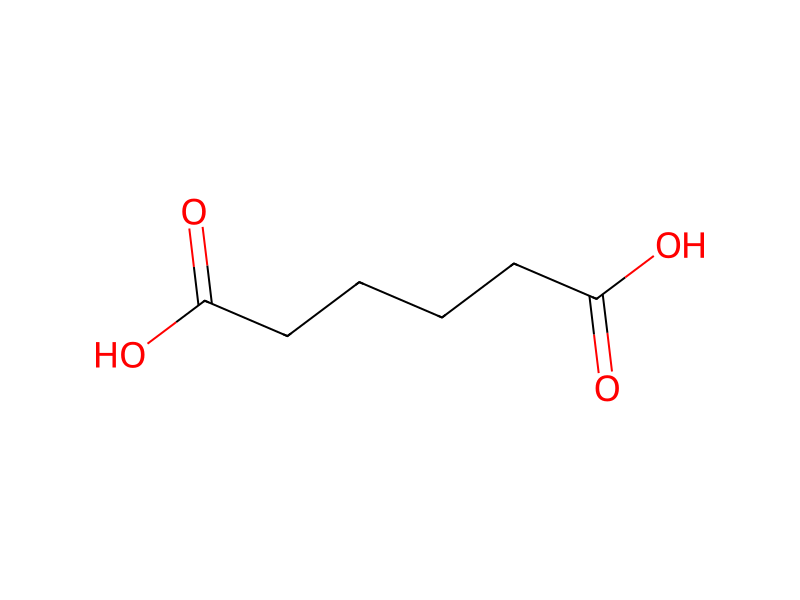
[C:1]([O-:13])(=[O:12])[CH2:2][C:3]([CH2:8][C:9]([O-])=[O:10])([C:5]([O-:7])=[O:6])O.[Na+].[Na+].[Na+].O.[CH:18]([OH:20])=[O:19]>C1CCCCC1>[C:18]([OH:20])(=[O:19])[CH2:9][CH2:8][CH2:3][CH2:2][C:1]([OH:13])=[O:12].[C:1]([OH:13])(=[O:12])[CH2:2][CH2:3][C:5]([OH:7])=[O:6].[OH:10][CH:9]([CH2:8][CH2:3][CH2:2][CH3:1])[C:18]([OH:20])=[O:19]Participants
Reactant 3


Product 3


Reagents, catalysts & solvents 1

Procedure
Examples 47-63 were run in a liquid full plug flow reactor, 30 inches (76 cm) with a ¼ inch (0.64 cm) diameter. Inlet and exit pressure was 150 psig (1.03 MPa gauge) controlled with a back pressure regulator. The catalysts were all prepared as in Experiment 13 on 2 mm spheres with the appropriate metal salts and type of alumina, with the exception that reduction was performed by flowing H2 at 150° C. instead of sodium citrate. The feed consisted of 1.6% CHHP in cyclohexane, about 1% K and 2% A, and varying amounts of water and acid impurities consisting of monobasic and dibasic acids which would be typical of those produced in cyclohexane oxidation such as adipic acid, succinic acid, formic acid, and hydroxycaproic acid, in approximately equal amounts. Analyses were performed on CHHP, K, and A by gas chromatography. Cyclohexane, CHHP, K, and A were obtained from E. I. du Pont de Nemours and Company, Wilmington, Del. The K/A ratio obtained after conversion of cyclohexylhydroperoxide over the catalyst was calculated using the equation: ( mols K in product ) - ( mols K in feed ) ( mols A in product ) - ( mols A in feed )
Workup
- customExamples 47-63 were run in a liquid full plug flow reactor
- customInlet and exit pressure was
- customall prepared as in Experiment 13 on 2 mm
- customat 150° C.
Sources & evidence
- ORD record
- ord-3ebf0bce4e4b45a9a7b0df8cb4c4f90e
- Source dataset
- uspto-grants-2001_09
- Patent number
- US06284927B1
Reaction notes
Loading…