epsilon-CAPROLACTONE → Cyclohexanol cyclohexanone
Reaction equation

[CH2:1](O)[CH2:2][CH2:3][CH2:4][CH2:5][CH2:6][OH:7].[C:9]1(=[O:16])O[CH2:14][CH2:13][CH2:12][CH2:11][CH2:10]1.OCCCCCC(O)=O>C1CCCCC1>[C:6]1(=[O:7])[CH2:5][CH2:4][CH2:3][CH2:2][CH2:1]1.[CH:9]1([OH:16])[CH2:10][CH2:11][CH2:12][CH2:13][CH2:14]1Participants
5
Reactant 3
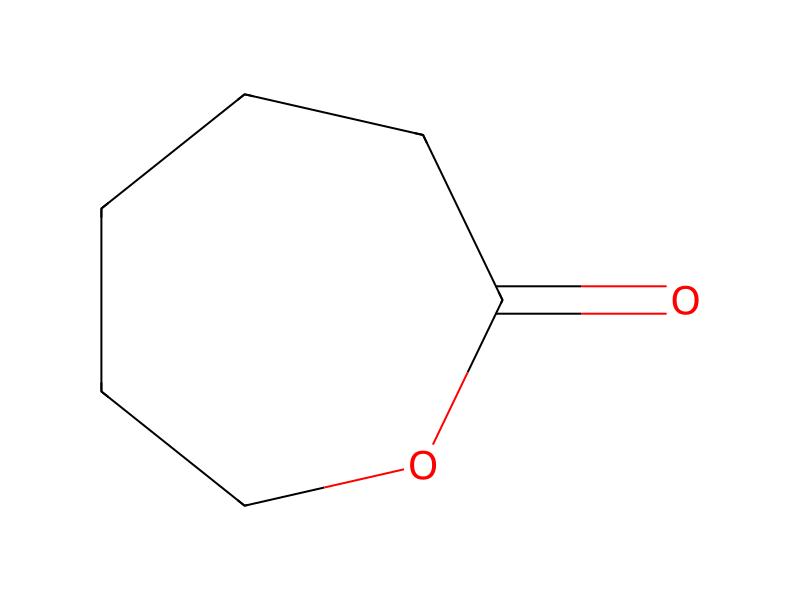


Product 1

Reagents, catalysts & solvents 1

Procedure
We have found that this object is achieved by a process for preparing 1,6-hexanediol and ε-caprolactone from a carboxylic acid mixture comprising adipic acid, 6-hydroxycaproic acid and small amounts of 1,4-cyclohexanediols which is obtained as a by-product in the oxidation of cyclohexane to cyclohexanone/cyclohexanol using oxygen or oxygen-containing gases and by water extraction of the reaction mixture, by esterifying and hydrogenating a substream to give hexanediol and cyclizing 6-hydroxycaproic esters to give caprolactone, wherein
Sources & evidence
- ORD record
- ord-13a032379c8c4dc093267a58f1e94088
- Source dataset
- uspto-grants-1999_11
- Patent number
- US05981769
Reaction notes
Loading…