2-Isopropylphenol → Cyclohexanol
Reaction equation

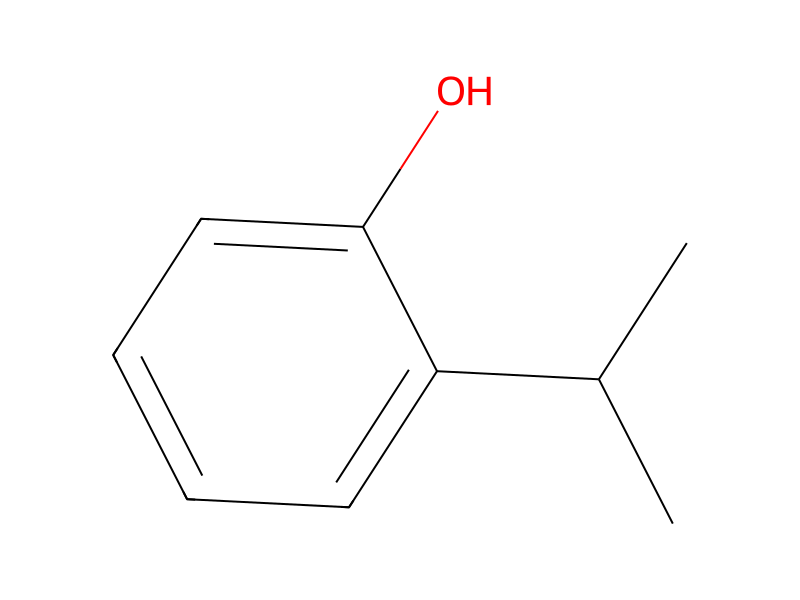
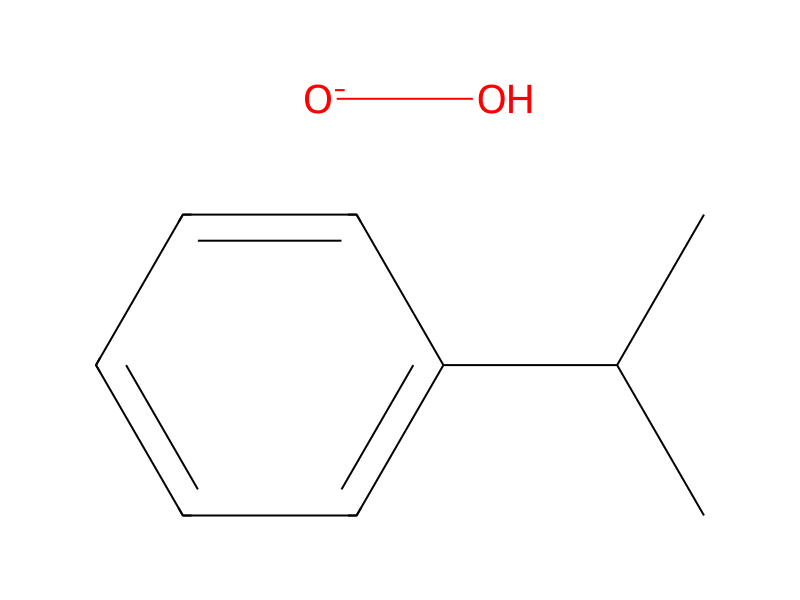
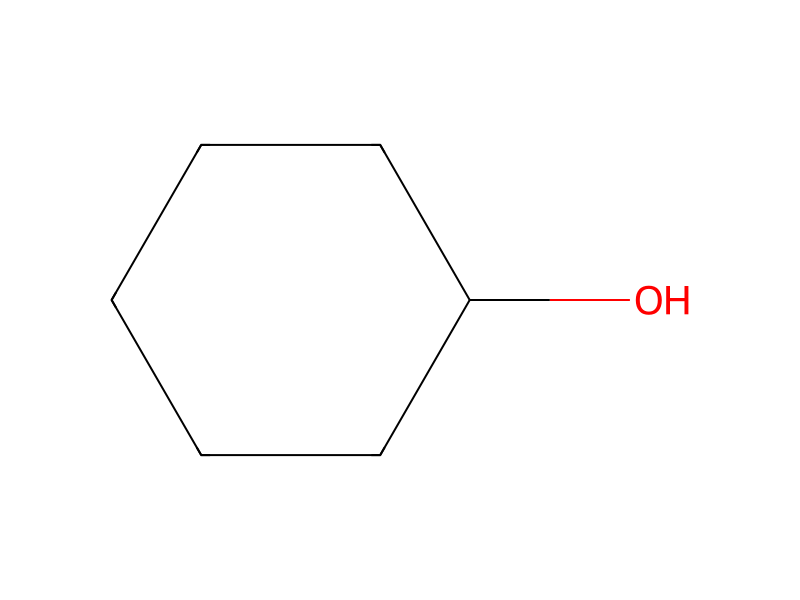
[C:1]1(C(C)C)[C:2]([OH:7])=[CH:3][CH:4]=[CH:5][CH:6]=1.[O-:11]O.[O-]O.C1(C(C)C)C=CC=CC=1>C1CCCCC1>[CH:2]1([O:7][OH:11])[CH2:3][CH2:4][CH2:5][CH2:6][CH2:1]1.[CH:2]1([OH:7])[CH2:3][CH2:4][CH2:5][CH2:6][CH2:1]1.[C:2]1(=[O:7])[CH2:3][CH2:4][CH2:5][CH2:6][CH2:1]1Participants
7
Reactant 3

Product 3


Reagents, catalysts & solvents 1

Procedure
A run was carried out in exactly the same manner as Run 10, except that the tertiary alcohol was cumenol and the tertiary hydroperoxide was cumene hydroperoxide. The mole ratio of cumenol to cyclohexane was 0.329:1 and the mole ratio of cumene hydroperoxide to cyclohexane was 0.086:1. A cyclohexyl hydroperoxide yield of 56 mole per cent, a cyclohexanol yield of 20 mole per cent, a cyclohexanone yield of 11 mole per cent and a residue of 13 mole per cent was obtained at a conversion level of 8.1 mole per cent and a per cent conversion rate of 5.8 per cent per hour. This run demonstrates that other tertiary alcohols and hydroperoxides are effective in the process of this invention.
Sources & evidence
- ORD record
- ord-4947925abe8c48258f5e3fe07f8b5fd3
- Source dataset
- uspto-grants-1976_04
- Patent number
- US03949003
Reaction notes
Loading…