Acetic Acid → HCID 21545740, compound
Reaction equation

C(O)(=O)C.[CH:5](=O)[CH:6]([CH3:8])[CH3:7].[C:10]1([C:16](=[N:25][OH:26])[C:17]([C:19]2[CH:24]=[CH:23][CH:22]=[CH:21][CH:20]=2)=O)[CH:15]=[CH:14][CH:13]=[CH:12][CH:11]=1.[NH2:27][CH2:28][CH2:29][C:30]([OH:32])=[O:31]>N>[C:30]([CH2:29][CH2:28][N:27]1[C:17]([C:19]2[CH:24]=[CH:23][CH:22]=[CH:21][CH:20]=2)=[C:16]([C:10]2[CH:15]=[CH:14][CH:13]=[CH:12][CH:11]=2)[N+:25]([O-:26])=[C:5]1[CH:6]([CH3:8])[CH3:7])([OH:32])=[O:31]Participants
Reactant 4


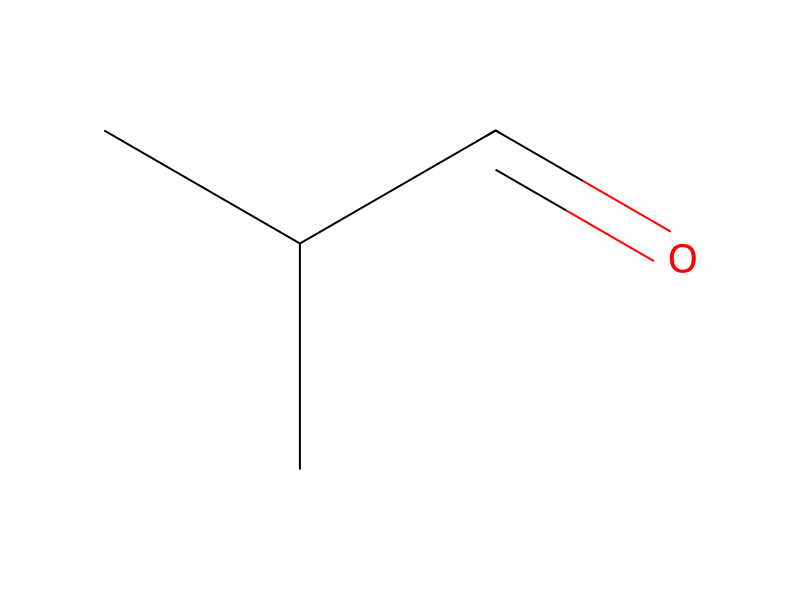

Product 1

Reagents, catalysts & solvents 1

Procedure
In 200 ml of glacial acetic acid 5.25 ml (0.1 mole) of isobutyraldehyde, 22.5 g (0.1 mole) of benzil monoxime and 8.9 g (0.1 mole) of beta-alanine is heated to reflux temperature for 3 hours. After cooling the mixture is added dropwise under vigorous stirring to one litre of concentrated aqueous ammonia. The solution is extracted with several portions of ether which is discarded. Now pH is adjusted to 7-8 by addition of hydrochloric acid, and further extractions with ether are performed on the resulting slurry. Also this ether is discarded. Finally pH is adjusted to 3 by further addition of hydrochloric acid and the precipitate is filtered off, washed with water and dried. Melting point: 245°-250° C. Thin layer chromatography reveals one spot only.
Workup
- temperatureto reflux temperature for 3 hours
- temperatureAfter cooling the mixture
- additionis added dropwise
- extractionThe solution is extracted with several portions of ether which
- additionis adjusted to 7-8 by addition of hydrochloric acid, and further extractions with ether
- additionis adjusted to 3 by further addition of hydrochloric acid
- filtrationthe precipitate is filtered off
- washwashed with water
- customdried
Sources & evidence
- ORD record
- ord-8c1ce9623bcc4b79b00f13aa253443a8
- Source dataset
- uspto-grants-1976_04
- Patent number
- US03952005
Reaction notes
Loading…