Calcium Carbonate → HCID 22789221, compound
Reaction equation

[Br:1][C@H:2]1[CH2:21][C@@:20]2([CH3:22])[C@@H:5]([CH2:6][CH2:7][C@@H:8]3[C@@H:19]2[C:18](=[O:23])[CH2:17][C@@:16]2([CH3:24])[C@H:9]3[CH2:10][CH2:11][C@@H:12]2[C:13](=[O:15])[CH3:14])[CH2:4][C@@H:3]1[OH:25].[Br-].[Li+].C(=O)([O-])[O-].[Ca+2]>CC(N(C)C)=O>[Br:1][C@@H:2]1[CH2:21][C@@:20]2([CH3:22])[C@@H:5]([CH2:6][CH2:7][C@@H:8]3[C@@H:19]2[C:18](=[O:23])[CH2:17][C@@:16]2([CH3:24])[C@H:9]3[CH2:10][CH2:11][C@@H:12]2[C:13](=[O:15])[CH3:14])[CH2:4][C@@H:3]1[OH:25]Participants
Reactant 3


Product 1

Reagents, catalysts & solvents 1

Procedure
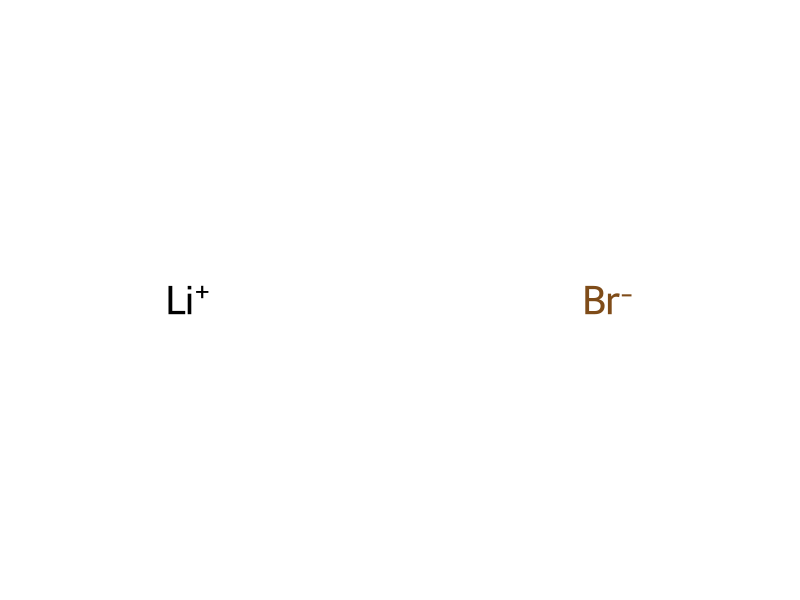
A solution of 2β-bromo-3α-hydroxy-5α-pregnane-11,20-dione (2.5 g.) in dry dimethyl acetamide (70 ml.) was treated with lithium bromide (9.3 g.) and finely divided calcium carbonate (7.1 g.), and the mixture was stirred on a steam bath for 41/2 hr. The reaction mixture was cooled to room temperature, filtered, treated with 2N HCl to pH 4, and the product was extracted with methylene chloride. The extract was washed with water, dried (Na2SO4), and evaporated in vacuo. The residue (2.3 g.) was subjected to preparative t.l.c. The most polar fraction was 3α-hydroxy-5α-pregn-1-ene-11,20-dione (305 mg., 15%), with a nuclear magnetic resonance spectrum resembling that of the product of Example 17. The least polar fraction, after crystallisation from methyl acetate/petrol, gave 2α-bromo-3α-hydroxy-5α-pregnane-11,20-dione (53 mg.), m.p. 168°-170°, [α]D + 134.5°.
Workup
- filtrationfiltered
- additiontreated with 2N HCl to pH 4
- extractionthe product was extracted with methylene chloride
- washThe extract was washed with water
- dry with materialdried (Na2SO4)
- customevaporated in vacuo
- customThe least polar fraction, after crystallisation from methyl acetate/petrol
Sources & evidence
- ORD record
- ord-fbb6567483ed415dbfd58c5d3f6864d6
- Source dataset
- uspto-grants-1976_04
- Patent number
- US03953429
Reaction notes
Loading…