Floxuridine → 2'-Deoxy-5-fluoro-3'-(2-methylbenzyl)uridine
Reaction equation

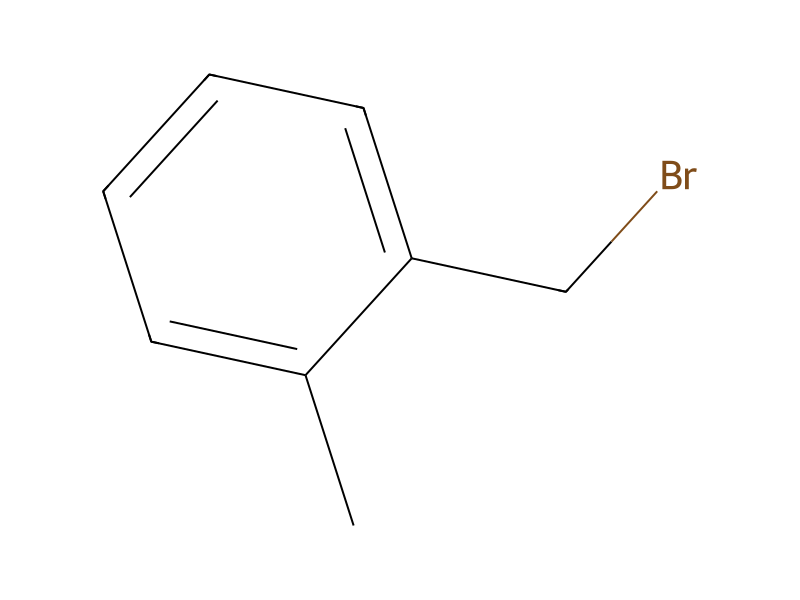
[OH-].[K+].[F:3][C:4]1[C:5](=[O:19])[NH:6][C:7](=[O:18])[N:8]([CH:17]=1)[C@@H:9]1[O:16][C@H:13]([CH2:14][OH:15])[C@@H:11]([OH:12])[CH2:10]1.[CH3:20][C:21]1[CH:28]=[CH:27][CH:26]=[CH:25][C:22]=1[CH2:23]Br>O.C(#N)C>[F:3][C:4]1[C:5](=[O:19])[NH:6][C:7](=[O:18])[N:8]([CH:17]=1)[C@@H:9]1[O:16][C@H:13]([CH2:14][OH:15])[C@@:11]([CH2:20][C:21]2[CH:28]=[CH:27][CH:26]=[CH:25][C:22]=2[CH3:23])([OH:12])[CH2:10]1Participants
6
Reactant 3


Product 1

Reagents, catalysts & solvents 2


Procedure
A 1.14 g quantity of potassium hydroxide was dissolved in a mixture of 33 ml of water and 16 ml of acetonitrile. To the solution were added 1.00 g of 2'-deoxy-5-fluorouridine and 1.50 g of 2-methylbenzyl bromide at room temperature with stirring. Then the same subsequent procedures as in Examples 4 and 5 were conducted, giving 0.29 g of the title compound in a yield of 20%.
Sources & evidence
- ORD record
- ord-26f662cf86114db5b8d2e53348b176bf
- Source dataset
- uspto-grants-1989_09
- Patent number
- US04864021
Reaction notes
Loading…