Acetic Anhydride → 3,5-Dioxohexanoic acid
Reaction equation

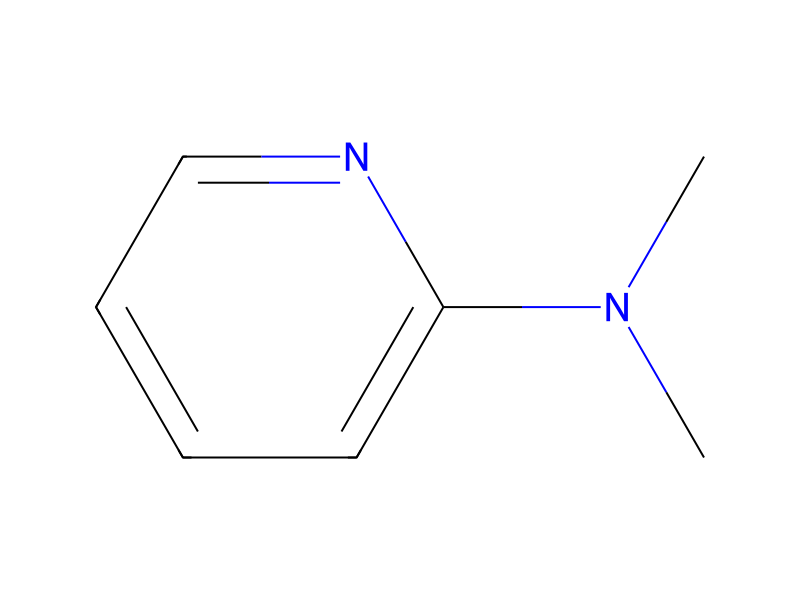
OCCCN[C:6](=O)[C@H:7]([C:9]([CH2:12][OH:13])(C)C)[OH:8].CN(C1C=CC=CN=1)C.C([O:27][C:28](=[O:30])[CH3:29])(=O)C>>[CH3:6][C:7]([CH2:9][C:12]([CH2:29][C:28]([OH:27])=[O:30])=[O:13])=[O:8]Participants



Conditions
- Temperature
- 80 °C
Procedure
D-panthenol (88 grams, 0.424 moles) and polymer bound dimethylaminopyridine (2 grams) were added to a flask. Acetic anhydride (144.4 grams, 3.3 moles) was slowly added to the stirring mixture, and the resultant exotherm was controlled when the temperature reached 80° C. The mixture was heated at 80° C. and stirred for 9 hours. The flask was then fitted for vacuum distillation, and the acetic acid was removed under reduced pressure to a concentration of about 4% w/w. The catalyst (P-DMAP) was filtered out from the reaction mixture. The solution was treated with a 50% w/w solution of sodium hydroxide in a volume sufficient to neutralize the residual acetic acid, and the resultant solids of sodium acetate were removed by filtration. The residual water was then removed under vacuum to afford about 80% of the desired product, D-panthenyl triacetate.
Workup
- customreached 80° C
- customThe flask was then fitted for vacuum distillation
- customthe acetic acid was removed under reduced pressure to a concentration of about 4% w/w
- filtrationThe catalyst (P-DMAP) was filtered out from the reaction mixture
- additionThe solution was treated with a 50% w/w solution of sodium hydroxide in a volume sufficient
- customthe resultant solids of sodium acetate were removed by filtration
- customThe residual water was then removed under vacuum
Sources & evidence
- ORD record
- ord-9850ad8f052c496989bab0437873a495
- Source dataset
- uspto-grants-2006_01
- Patent number
- US06982346B2
Reaction notes
Loading…