Lactic Acid → 2-Acetoxypropionic Acid
Reaction equation

[C:1]([OH:6])(=[O:5])[CH:2]([CH3:4])[OH:3].[C:7]([O-])(=[O:10])[CH:8]=C>C(O)(=O)C>[C:7]([O:3][CH:2]([CH3:4])[C:1]([OH:6])=[O:5])(=[O:10])[CH3:8]Participants
Reactant 2
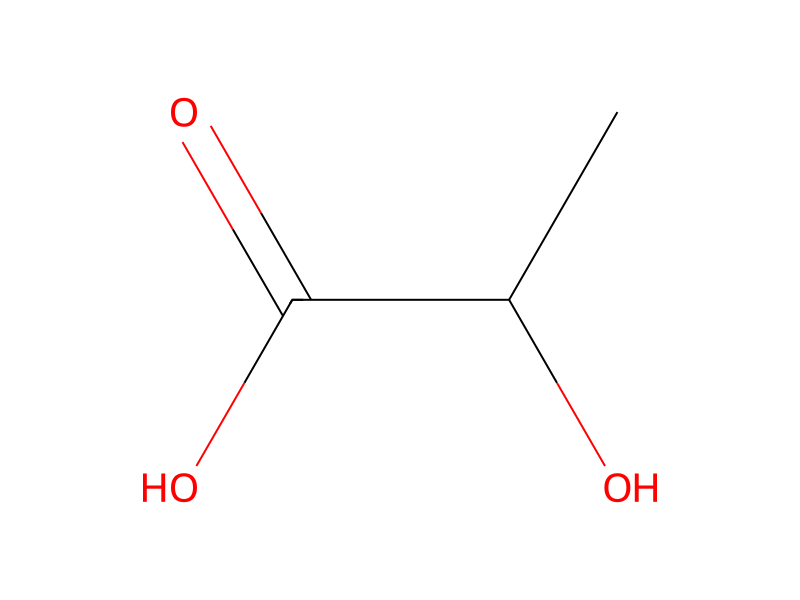

Product 1

Reagents, catalysts & solvents 1

Procedure
In one aspect the invention pertains to a process of forming an acrylate without utilizing an anhydride reagent. Lactic acid or a lactic acid ester is introduced into a first vessel with an excess of acetic acid (as measured by molar value). The lactic acid or lactic acid ester is reacted with a first portion of the acetic acid in the presence of a first catalyst to produce the corresponding 2-acetoxy propionic acid or ester. A non-reacted portion of the acetic acid is recycled and can be re-used for further reaction without converting to an anhydride. The 2-acetoxy propionic acid or ester is transferred to a second vessel where, in the presence of a second catalyst, acetic acid is liberated from the 2-acetoxy propionic acid or ester to produce a corresponding acrylic acid or first acrylate ester. After removing the liberated acetic acid by distillation, the acetic acid or first acrylate ester is mixed with an alcohol and the acrylic acid is esterified, or the first acrylate ester is trans-esterified, by reaction with the alcohol to form a second acrylate ester.
Sources & evidence
- ORD record
- ord-db968596123e4fce8882f847710f1090
- Source dataset
- uspto-grants-2006_01
- Patent number
- US06992209B2
Reaction notes
Loading…