Benzene → Dodecylbenzene
Reaction equation

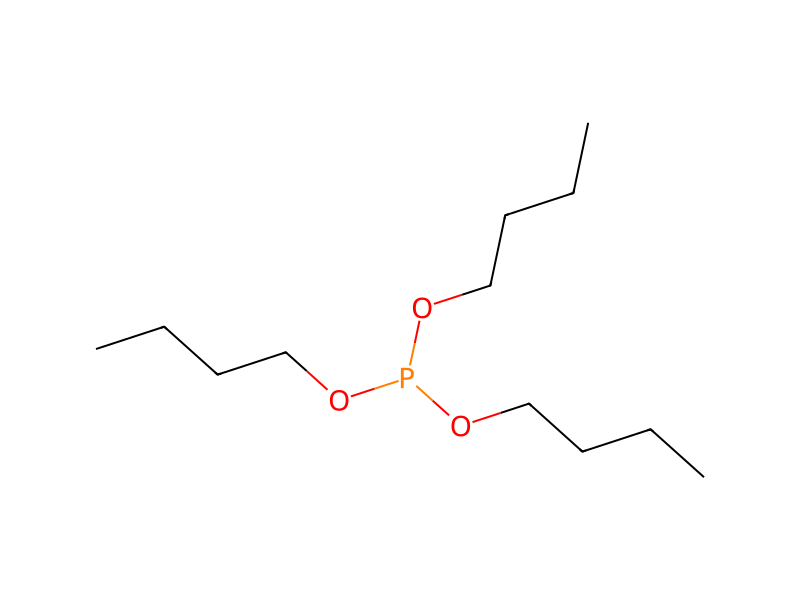
P(OCCCC)(OCCCC)OCCCC.[Cl-].[Cl-].C([Al+2])C.[CH:22]1[CH:27]=[CH:26][CH:25]=[CH:24][CH:23]=1.[CH2:28]=[CH:29][CH2:30][CH2:31][CH2:32][CH2:33][CH2:34][CH2:35][CH2:36][CH2:37][CH2:38][CH3:39]>ClC1C=CC=CC=1.C(C(CCCC)C([O-])=O)C.C(C(CCCC)C([O-])=O)C.[Ni+2]>[CH2:39]([C:22]1[CH:27]=[CH:26][CH:25]=[CH:24][CH:23]=1)[CH2:38][CH2:37][CH2:36][CH2:35][CH2:34][CH2:33][CH2:32][CH2:31][CH2:30][CH2:29][CH3:28]Participants
Reactant 4



Product 1

Reagents, catalysts & solvents 2


Procedure
8.4 Grams of hexenes (containing 90% n-hexenes and 10% methyl-pentenes) was reacted with 17 mgs of nickel bis(2-ethyl hexanoate), 13 mgs of tributyl phosphite and 64 mgs of ethyl aluminum dichloride in 0.8 g of chlorobenzene. After two hours of reaction at between 35 and 45C, 57% of the hexenes were converted to products which contained 90% dodecenes. 78% of those dodecenes had linear or mono-branched structures. The unreacted starting material consisted of 86% n-hexenes and 14% methyl-pentenes, indicating only a very slight preference by the catalyst for dimerizing the linear olefins. As in Example 1, alkylation of benzene with this dodecene mixture using HF catalyst resulted in a 95+ % yield of dodecylbenzene, with less than 1% loss due to olefin fragmentation.
Sources & evidence
- ORD record
- ord-6bd66643cf97496488b97b8d8d0c9ad5
- Source dataset
- uspto-grants-1993_03
- Patent number
- US05196625
Reaction notes
Loading…