2,4-Dinitrotoluene → Dimethyl (4-methyl-1,3-phenylene)biscarbamate
Reaction equation

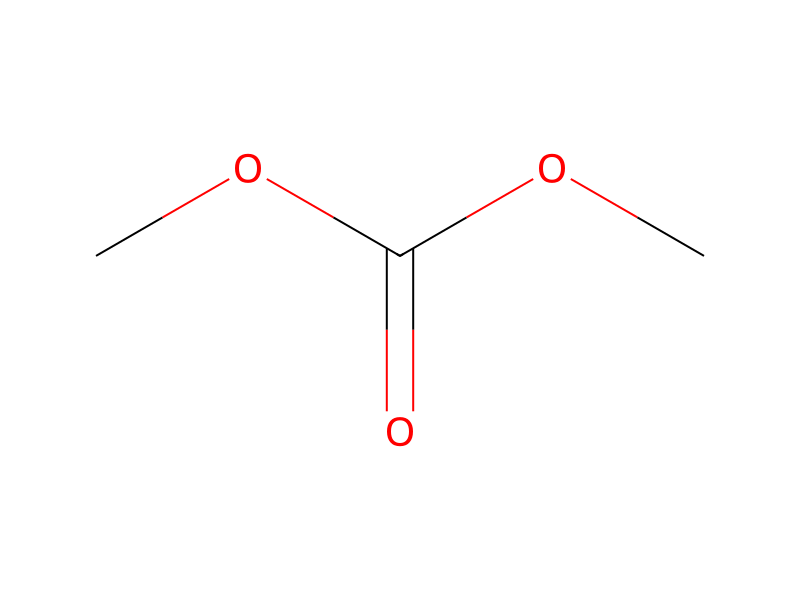
[C:1](=[O:6])([O:4][CH3:5])OC.[N+:7]([C:10]1[CH:15]=[C:14]([N+:16]([O-])=O)[CH:13]=[CH:12][C:11]=1[CH3:19])([O-])=O>>[CH3:5][O:4][C:1]([NH:7][C:10]1[CH:15]=[C:14]([NH:16][C:1]([O:4][CH3:5])=[O:6])[CH:13]=[CH:12][C:11]=1[CH3:19])=[O:6]Participants


Procedure
In a 5 ml reinforced glass flask capable of pressure sealing dimethyl carbonate (2 ml), 2,4-dinitrotoluene (150 mg), the Au/CeO2 catalyst (100 mg, 1 wt % gold relative to cerium) are placed, and the reactor is closed. After purging with N2 for 5 minutes, the reactor is loaded with hydrogen gas at a pressure of 15 bars. The reactor is immersed in a silicone bath preheated at 150° C. and the mixture is magnetically stirred for 23 hrs. After this time, the reactor is brought to atmospheric pressure and opened. The catalyst is filtered and the liquid phase is analyzed by gas chromatography. The disappearance of 2,4-dinitrotoluene and the formation of 2,4-bis(methoxycarbonylamino) toluene in a 63% yield is observed. Smaller amounts (20%) of ortho and para mixtures of the mono carbamoylate 2,4-diaminotoluene derivative are detected.
Workup
- customthe reactor is closed
- customAfter purging with N2 for 5 minutes
- customThe reactor is immersed in a silicone bath
- custompreheated at 150° C.
- filtrationThe catalyst is filtered
Sources & evidence
- ORD record
- ord-813178f784b143ccbd11290cdaaef5ba
- Source dataset
- uspto-grants-2014_07
- Patent number
- US08765993B2
Reaction notes
Loading…