Pyridine → HCID 58574337, compound
Reaction equation

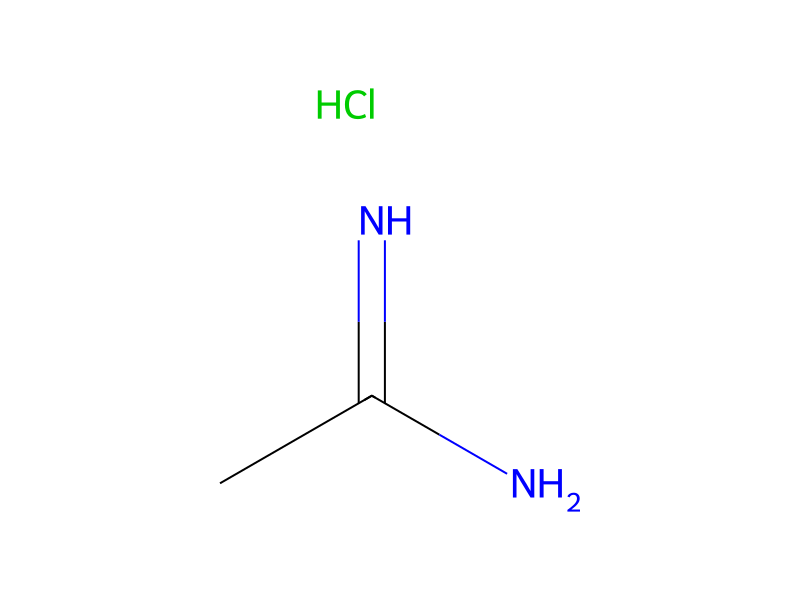
[F:1][C:2]1[CH:3]=[C:4]([C:8]#[C:9][C:10]2[CH:23]=[CH:22][N:13]3[C:14](=[O:21])[C:15]([C:18](Cl)=[O:19])=[CH:16][N:17]=[C:12]3[CH:11]=2)[CH:5]=[CH:6][CH:7]=1.Cl.[C:25]([NH2:28])(=[NH:27])[CH3:26].N1C=CC=CC=1>O1CCOCC1.O>[F:1][C:2]1[CH:3]=[C:4]([C:8]#[C:9][C:10]2[CH:23]=[CH:22][N:13]3[C:14](=[O:21])[C:15]([C:18]4[O:19][N:28]=[C:25]([CH3:26])[N:27]=4)=[CH:16][N:17]=[C:12]3[CH:11]=2)[CH:5]=[CH:6][CH:7]=1Participants
6
Reactant 3


Product 1

Reagents, catalysts & solvents 2


Conditions
- Temperature
- 70 °C
Procedure
8-((3-fluorophenyl)ethynyl)-4-oxo-4H-pyrido[1,2-a]pyrimidine-3-carbonyl chloride was dissolved in 1,4-dioxane (3 mL). To the solution was added acetamidine hydrochloride (18 mg, 0.162 mmol, 1 equiv) and pyridine (2 mL). The reaction mixture was then heated at 70° C. overnight. After it was cooled to room temperature, the reaction mixture was diluted with water and extracted with ethyl acetate (3×50 mL). The combined organic layers were dried over Na2SO4. After filtration and concentration, the residue was purified by preparative TLC to give 2.2 mg of the desired product. MS (ESI): 347 (MH+).
Workup
- temperatureAfter it was cooled to room temperature
- extractionextracted with ethyl acetate (3×50 mL)
- dry with materialThe combined organic layers were dried over Na2SO4
- filtrationAfter filtration and concentration
- customthe residue was purified by preparative TLC
Sources & evidence
- ORD record
- ord-7235f63eb84e4a908f0d2ccee9a9253d
- Source dataset
- uspto-grants-2014_07
- Patent number
- US08772301B2
Reaction notes
Loading…