Sodium Carbonate → 1-(2,3,4,6-tetra-O-benzyl-beta-D-glucopyranosyl)-4-chloro-3-(5-(3-cyanophenyl)-2-thienylmethyl)benzene
Reaction equation

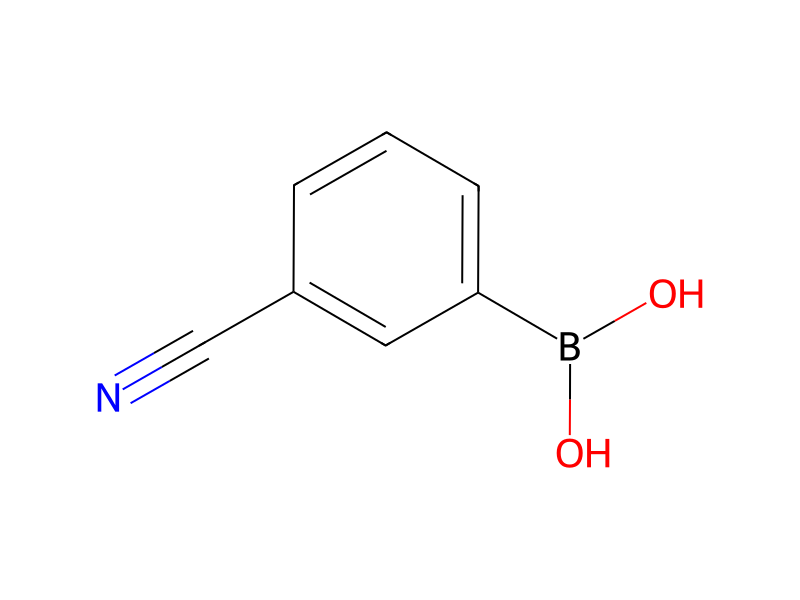
[CH2:1]([O:8][C@@H:9]1[C@@H:14]([O:15][CH2:16][C:17]2[CH:22]=[CH:21][CH:20]=[CH:19][CH:18]=2)[C@H:13]([O:23][CH2:24][C:25]2[CH:30]=[CH:29][CH:28]=[CH:27][CH:26]=2)[C@@H:12]([CH2:31][O:32][CH2:33][C:34]2[CH:39]=[CH:38][CH:37]=[CH:36][CH:35]=2)[O:11][C@H:10]1[C:40]1[CH:45]=[CH:44][C:43]([Cl:46])=[C:42]([CH2:47][C:48]2[S:49][C:50](Br)=[CH:51][CH:52]=2)[CH:41]=1)[C:2]1[CH:7]=[CH:6][CH:5]=[CH:4][CH:3]=1.[C:54]([C:56]1[CH:57]=[C:58](B(O)O)[CH:59]=[CH:60][CH:61]=1)#[N:55].C(=O)([O-])[O-].[Na+].[Na+]>COCCOC.C(OCC)(=O)C>[CH2:1]([O:8][C@@H:9]1[C@@H:14]([O:15][CH2:16][C:17]2[CH:22]=[CH:21][CH:20]=[CH:19][CH:18]=2)[C@H:13]([O:23][CH2:24][C:25]2[CH:30]=[CH:29][CH:28]=[CH:27][CH:26]=2)[C@@H:12]([CH2:31][O:32][CH2:33][C:34]2[CH:39]=[CH:38][CH:37]=[CH:36][CH:35]=2)[O:11][C@H:10]1[C:40]1[CH:45]=[CH:44][C:43]([Cl:46])=[C:42]([CH2:47][C:48]2[S:49][C:50]([C:60]3[CH:59]=[CH:58][CH:57]=[C:56]([C:54]#[N:55])[CH:61]=3)=[CH:51][CH:52]=2)[CH:41]=1)[C:2]1[CH:7]=[CH:6][CH:5]=[CH:4][CH:3]=1Participants
Reactant 3


Product 1

Reagents, catalysts & solvents 2


Procedure
A mixed solution of 1-(2,3,4,6-tetra-O-benzyl-β-D-glucopyranosyl)-3-(5-bromo-2-thienylmethyl)-4-chlorobenzene 53 (1.24 g) obtained in Example 119-(6), 3-cyanophenylboronic acid (270 ml), bis(triphenylphosphine)palladium (II)dichloride (54 mg) and 2M aqueous sodium carbonate solution (2.3 ml) in 1,2-dimethoxyethane (12 ml) was heated under reflux for 4 hours. The mixture was diluted with ethyl acetate and washed successively with a saturated aqueous sodium hydrogen carbonate solution and brine. The mixture was dried over sodium sulfate, and the solvent was evaporated under reduced pressure. The residue was purified by silica gel column chromatography (hexane:ethyl acetate=7:1-5:1) to give 1-(2,3,4,6-tetra-O-benzyl-β-D-glucopyranosyl)-4-chloro-3-(5-(3-cyanophenyl)-2-thienylmethyl)benzene (1.12 g) as colorless oil. APCI-Mass m/Z 849/851 (M+NH4).
Workup
- temperatureunder reflux for 4 hours
- washwashed successively with a saturated aqueous sodium hydrogen carbonate solution and brine
- dry with materialThe mixture was dried over sodium sulfate
- customthe solvent was evaporated under reduced pressure
- customThe residue was purified by silica gel column chromatography (hexane:ethyl acetate=7:1-5:1)
Sources & evidence
- ORD record
- ord-ce1a06b6cf3945db88def2a9cd793110
- Source dataset
- uspto-grants-2014_07
- Patent number
- US08785403B2
Reaction notes
Loading…