Ethyl isocyanate → 1-Ethyl-3-(3-fluoro-4-(4,4,5,5-tetramethyl-1,3,2-dioxaborolan-2-yl)phenyl)urea
Reaction equation

[F:1][C:2]1[CH:3]=[C:4]([CH:6]=[CH:7][C:8]=1[B:9]1[O:13][C:12]([CH3:15])([CH3:14])[C:11]([CH3:17])([CH3:16])[O:10]1)[NH2:5].[CH2:18]([N:20]=[C:21]=[O:22])[CH3:19].[N-]=C=O>C(Cl)Cl>[CH2:18]([NH:20][C:21]([NH:5][C:4]1[CH:6]=[CH:7][C:8]([B:9]2[O:13][C:12]([CH3:15])([CH3:14])[C:11]([CH3:17])([CH3:16])[O:10]2)=[C:2]([F:1])[CH:3]=1)=[O:22])[CH3:19]Participants
5

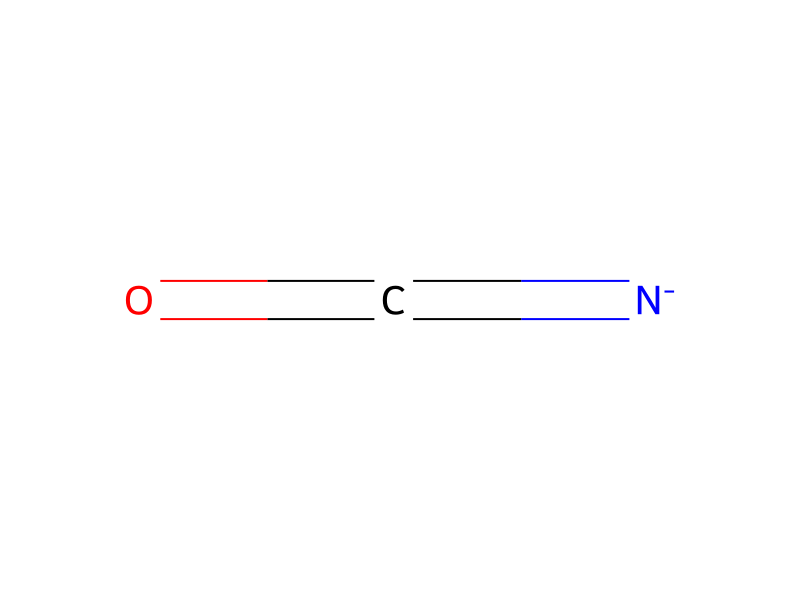



Conditions
- Temperature
- 35 °C
Procedure
To a stirred solution of 3-fluoro-4-(4,4,5,5-tetramethyl-1,3,2-dioxaborolan-2-yl)aniline (1.5 g, 6.33 mmol) in DCM (30 ml) was added ethyl isocyanate (1503 μL, 19 mmol). Reaction mixture was stirred at 35° C. for 20 hours. Additional isocyanate was added and reaction mixture left for sufficient time to ensure reaction completion. The crude reaction mixture was then partitioned between water and DCM. The organic layer was recovered, passed through a hydrophobic frit and the solvent removed in vacuo. The residue was purified by flash chromatography using 0-60% ethyl acetate/petroleum ether 40-60 to yield a yellow solid (1.054 g, 3.42 mmol, 54%).
Workup
- customReaction mixture
- customreaction mixture
- waitleft for sufficient time
- customreaction completion
- customThe crude reaction mixture
- customwas then partitioned between water and DCM
- customThe organic layer was recovered
- customthe solvent removed in vacuo
- customThe residue was purified by flash chromatography
Sources & evidence
- ORD record
- ord-00e47ba574064dfa8b03abd951223435
- Source dataset
- uspto-grants-2014_07
- Patent number
- US08785457B2
Reaction notes
Loading…