Ethylene Glycol → HCID 18673916, compound
Reaction equation

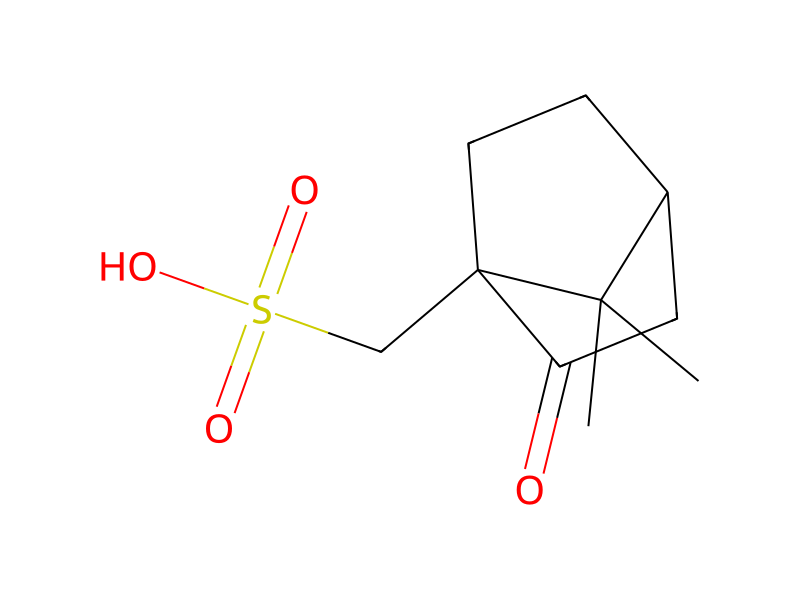
[N+:1]([C:4]1[CH:5]=[CH:6][C:7]([O:10][C:11]2[CH:16]=[CH:15][C:14]([C:17](=[O:19])[CH3:18])=[CH:13][CH:12]=2)=[N:8][CH:9]=1)([O-:3])=[O:2].[CH2:20](O)[CH2:21][OH:22].C12(CS(O)(=O)=O)C(C)(C)C(CC1)CC2=O>C1C=CC=CC=1>[CH3:18][C:17]1([C:14]2[CH:15]=[CH:16][C:11]([O:10][C:7]3[CH:6]=[CH:5][C:4]([N+:1]([O-:3])=[O:2])=[CH:9][N:8]=3)=[CH:12][CH:13]=2)[O:22][CH2:21][CH2:20][O:19]1Participants
5
Reactant 3


Product 1

Reagents, catalysts & solvents 1

Procedure
380 mg of 1-{4-[(5-nitro-2-pyridinyl)oxy]phenyl}-1-ethanone was dissolved in 5 ml of benzene and, after adding 98 μl of ethylene glycol and 3 mg of (±)-10-camphorsulfonic acid, the mixture was heated at reflux. After 3 hours, the reaction solution was extracted with ethyl acetate. The organic layer was washed in turn with a saturated sodium hydrogencarbonate solution and a saturated sodium chloride solution, dried over magnesium sulfate and then concentrated under reduced pressure. The resulting residue was purified by silica gel chromatography (eluent: ethyl acetate/n-hexane (1:4)) to obtain the titled compound (280 mg).
Workup
- temperaturethe mixture was heated
- temperatureat reflux
- extractionthe reaction solution was extracted with ethyl acetate
- washThe organic layer was washed in turn with a saturated sodium hydrogencarbonate solution
- dry with materiala saturated sodium chloride solution, dried over magnesium sulfate
- concentrationconcentrated under reduced pressure
- customThe resulting residue was purified by silica gel chromatography (eluent: ethyl acetate/n-hexane (1:4))
Sources & evidence
- ORD record
- ord-10197552adcd402ab1d40ce6e08bb0dd
- Source dataset
- uspto-grants-2003_01
- Patent number
- US06511995B1
Reaction notes
Loading…