Potassium Hydroxide → HCID 19348157, compound
Reaction equation

[C:1]([N:4]1[C:12]2[CH:11]=[CH:10][CH:9]=[C:8]3[CH:13](Br)[CH2:14][CH2:15][CH:6]([C:7]=23)[CH:5]1[C:17]1[CH:22]=[CH:21][CH:20]=[CH:19][CH:18]=1)(=[O:3])[CH3:2].[OH-].[K+]>CN1CCN(C)C1=O.O>[C:1]([N:4]1[C:12]2[CH:11]=[CH:10][CH:9]=[C:8]3[CH:13]=[CH:14][CH2:15][CH:6]([C:7]=23)[CH:5]1[C:17]1[CH:22]=[CH:21][CH:20]=[CH:19][CH:18]=1)(=[O:3])[CH3:2]Participants
5
Reactant 2


Product 1

Reagents, catalysts & solvents 2

Conditions
- Temperature
- 110 °C
Procedure
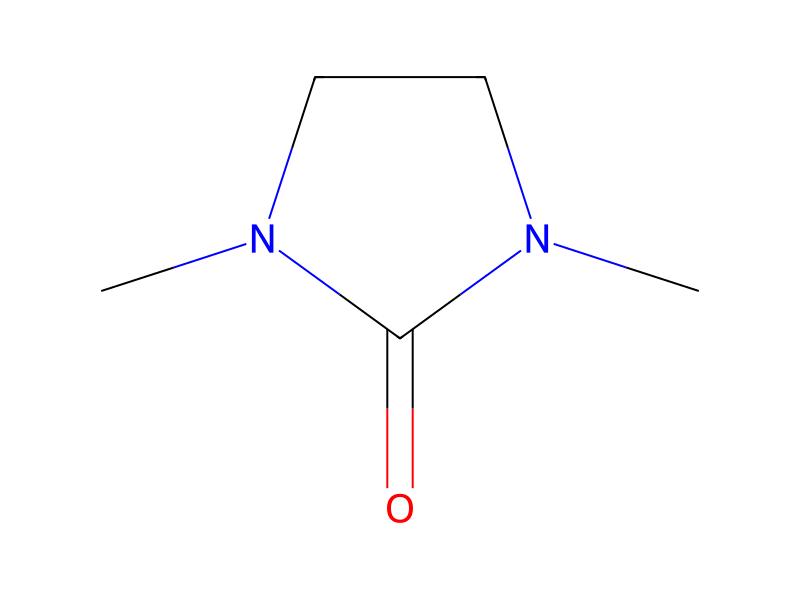
A portion (5.60 g) of the compound obtained in Example 161 was dissolved in dimethylimidazolidone (DMI; 100 ml) and to the solution was added potassium hydroxide powder (1.46 g). The mixture was heated for 1 hour at 110° C. and allowed to cool. The reaction mixture was diluted with water and extracted three times with ethyl acetate. The organic layers were combined, washed with water and saturated aqueous solution of sodium chloride successively and dried over anhydrous sodium sulfate. Then, the solvent was distilled off under reduced pressure and the residue was crystallized from ether to yield 3.70 g (86%) of the titled compound as white crystals.
Workup
- temperatureto cool
- extractionextracted three times with ethyl acetate
- washwashed with water and saturated aqueous solution of sodium chloride successively
- dry with materialdried over anhydrous sodium sulfate
- distillationThen, the solvent was distilled off under reduced pressure
- customthe residue was crystallized from ether
Sources & evidence
- ORD record
- ord-d0ffa553a16d48fc8b402850d1cef5e1
- Source dataset
- uspto-grants-2000_03
- Patent number
- US06040331
Reaction notes
Loading…