Pyridine → HCID 178489100, compound
Reaction equation

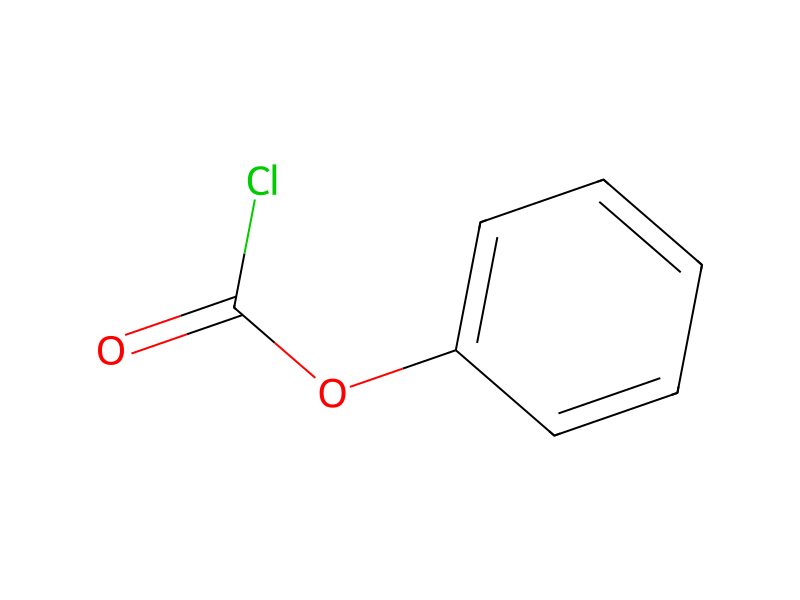
[C:1](Cl)(=[O:9])[O:2][C:3]1[CH:8]=[CH:7][CH:6]=[CH:5][CH:4]=1.N[C:12]1[CH:16]=[C:15]([C:17]2[CH:22]=[CH:21][C:20]([O:23][CH3:24])=[CH:19][CH:18]=2)[NH:14][N:13]=1.[N:25]1C=CC=CC=1>>[CH3:24][O:23][C:20]1[CH:21]=[CH:22][C:17]([C:15]2[NH:14][N:13]=[C:12]([C:1]([O:2][C:3]3[CH:8]=[CH:7][CH:6]=[CH:5][CH:4]=3)=[O:9])[C:16]=2[NH2:25])=[CH:18][CH:19]=1Participants
4



Procedure
Phenyl chlorocarbonate (0.87 ml) was added to a solution of 3-amino-5-(4-methoxyphenyl)pyrazole (1.19 g) in pyridine (10 ml), and the mixture was stirred at room temperature for 6 hours. The reaction solution was partitioned between ethyl acetate (50 ml) and water (30 ml), and the organic layer was washed with 1 N hydrochloric acid (50 ml×2), saturated aqueous sodium bicarbonate (50 ml) and saturated brine (50 ml) and then dried over anhydrous magnesium sulfate. Then, the solvent was distilled away. The resulting residue was crystallized from ethyl acetate/hexane to obtain the title compound (0.95 g) as pale yellow crystals (melting point: 286-291° C.).
Workup
- customThe reaction solution was partitioned between ethyl acetate (50 ml) and water (30 ml)
- washthe organic layer was washed with 1 N hydrochloric acid (50 ml×2), saturated aqueous sodium bicarbonate (50 ml) and saturated brine (50 ml)
- dry with materialdried over anhydrous magnesium sulfate
- distillationThen, the solvent was distilled away
- customThe resulting residue was crystallized from ethyl acetate/hexane
Sources & evidence
- ORD record
- ord-b8e560bfb8a944f396898e061bb4240d
- Source dataset
- uspto-grants-2000_03
- Patent number
- US06043246
Reaction notes
Loading…