Acetic Acid → HCID 178486674, compound
Reaction equation

[OH:1][C:2]1[N:3]=[C:4]([CH3:19])[C:5]2[C:10]([C:11]=1[N+:12]([O-])=O)=[CH:9][C:8]([O:15][CH3:16])=[C:7]([O:17][CH3:18])[CH:6]=2.[H][H].[C:22]([OH:25])(=[O:24])[CH3:23]>[Pd]>[CH3:11][C:2]([CH2:23][C:22]([OH:25])=[O:24])=[O:1].[NH2:12][C:11]1[C:10]2[C:5](=[CH:6][C:7]([O:17][CH3:18])=[C:8]([O:15][CH3:16])[CH:9]=2)[C:4]([CH3:19])=[N:3][C:2]=1[OH:1]Participants
6
Reactant 3



Product 2
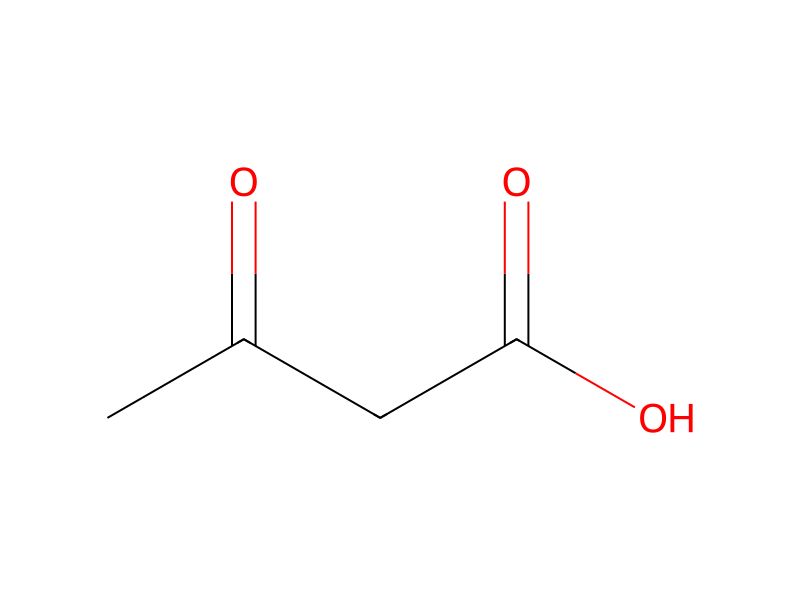

Reagents, catalysts & solvents 1

Procedure
3-Hydroxy-6,7-dimethoxy-1-methyl-4-nitroisoquinoline (16.0 grams, 60.54 mmol) was slurried in 600 ml glacial acetic acid and hydrogenated over 1.5 grams of a 10% palladium on carbon catalyst (Pd/C) at 17 psi hydrogen pressure at room temperature in a Parr hydrogenator for 1.5 hours. The reaction mixture was filtered through a Celite pad, and the filtrate was evaporated to dryness in vacuo to provide 20.48 grams of the diacetate solvate of the title compound as a dark greenish-yellow solid (95.6% yield) having a melting point of 111°-115° C.
Workup
- filtrationThe reaction mixture was filtered through a Celite pad
- customthe filtrate was evaporated to dryness in vacuo
Sources & evidence
- ORD record
- ord-30d2bc60771141fd98863d2b972d081b
- Source dataset
- uspto-grants-1989_11
- Patent number
- US04880817
Reaction notes
Loading…