Glycine → l-aspartic acid, sodium salt
Reaction equation

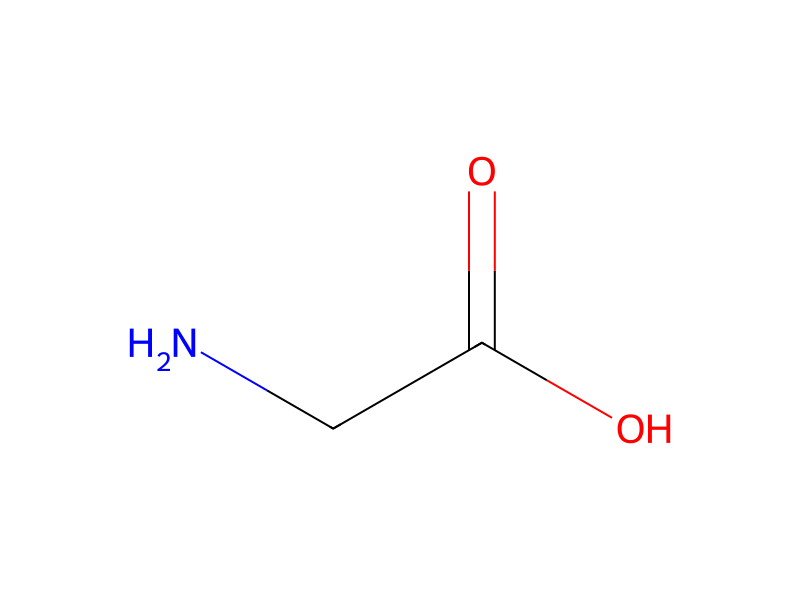
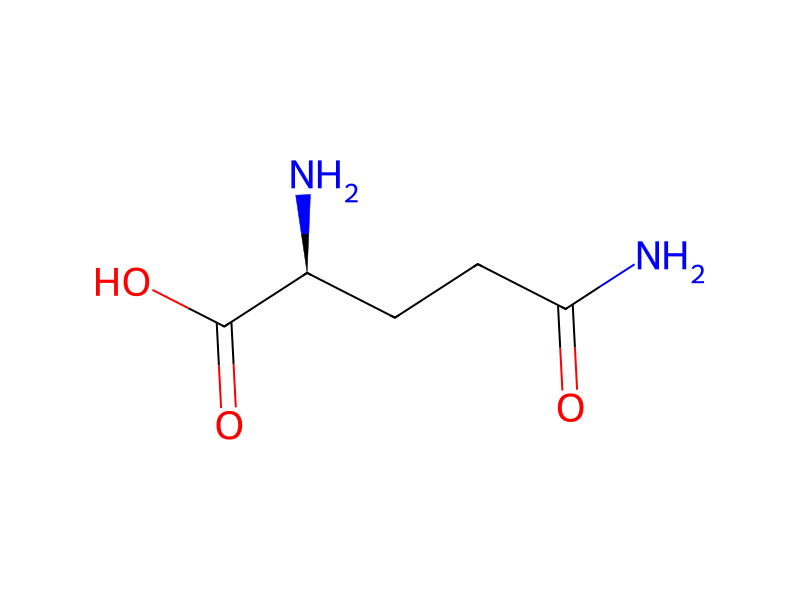
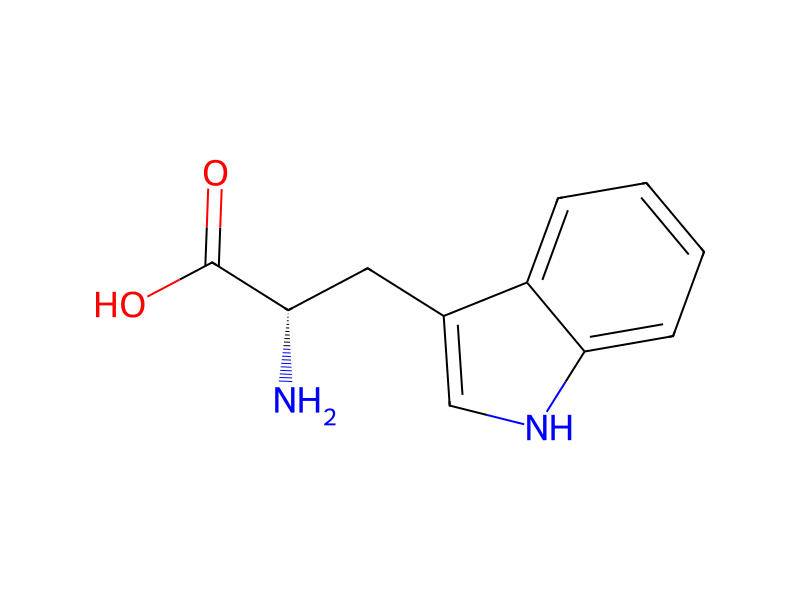
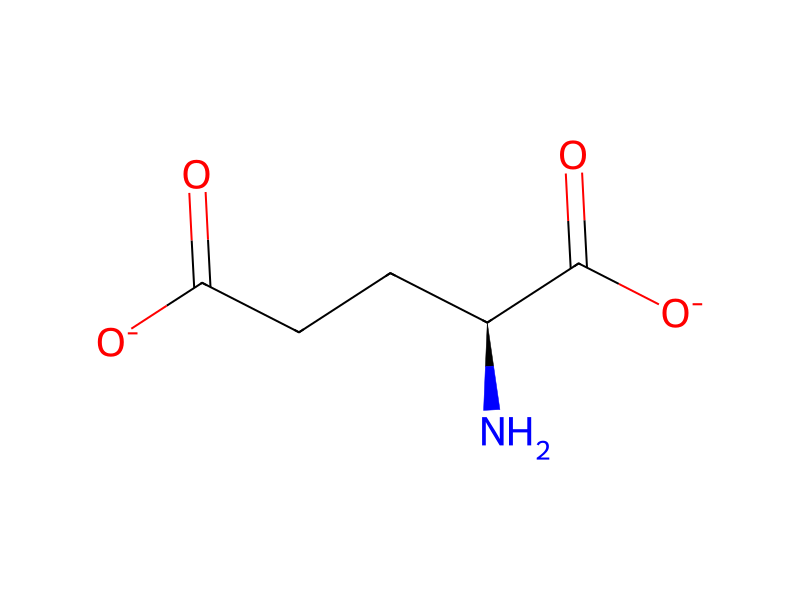
NCC(N[C@H](C(NCC(N[C@H](C(NCC(N[C@H](C([NH:31][C@H:32]([C:34]([OH:36])=[O:35])[CH3:33])=O)CO)=O)=O)[C@@H](C)O)=O)=O)C)=O.N[CH2:38][C:39]([OH:41])=[O:40].N[C@H]([C:45]([OH:47])=[O:46])C.N[C@H](C(O)=O)CO.N[C@H](C(O)=O)[C@@H](C)O.N[C@H](C(O)=O)CC1C2C(=CC=CC=2)NC=1.N[C@H](C(O)=O)CC(=O)N.N[C@H](C(O)=O)CCC(=O)N>O>[NH2:31][C@H:32]([C:34]([O-:36])=[O:35])[CH2:33][CH2:38][C:39]([O-:41])=[O:40].[NH2:31][C@H:32]([C:34]([O-:36])=[O:35])[CH2:33][C:45]([O-:47])=[O:46]Participants
Reactant 8





Product 2

Reagents, catalysts & solvents 1

Procedure
The experimental examples, below, demonstrate certain methods of the invention by employing drag-tags having a repeating sequence motif of Gly-Ala-Gly-Thr-Gly-Ser-Ala and variations thereof. In some preferred embodiments, drag tags comprising this sequence are used. The present invention contemplates variations of this motif as well. For example, any rearranged sequence of these amino acids is contemplated for use as a drag-tag. Guidance for considering the properties of the individual amino acids for generating alternate protein sequences that find use for FSCE applications, are discussed above. The biochemical properties of the 20 common amino acids are well characterized (Voet and Voet, Biochemistry, 2nd Ed., John Wiley & Sons, Inc. pp. 1361). Gly (glycine), Ala (alanine), Ser (serine), Thr (threonine) and Trp (tryptophan) are considered relatively polar, uncharged amino acids, which are also relatively chemically stable, and can be considered to be the most desirable amino acids for use in a protein-based drag-tag, and should predominate in the sequence (e.g., greater than 50%, greater than 60%, greater than 70%, 80%, 90%, etc. of the amino acids in the polymer are from this group). Other polar amino acids, which are somewhat less chemically stable, are Asn (asparagine) and Gln (glutamine). A plurality of these amino acids, with the greatest number of amino acids being chosen from among Gly, Ala, Ser, and Thr, can be chosen to create a protein that is water-soluble (as needed for FSCE) and contemplated to have a predominantly unfolded (random-coil) structure in aqueous solution, which maximizes the drag provided by the protein polymer. More sparing use of the amino acids Gln and Asn should be made, since these amino acid side-chains can spontaneously undergo a biochemical reaction such that they deamidate in aqueous solution over time, to produce Glu and Asp side chains, which are negatively charged and will affect the electrophoretic mobility of the drag-tag, ultimately contributing to heterogeneity. In the protein sequence design, an initial, sparing use of negatively charged amino acids such as Asp (aspartate), and Glu (glutamate) can be made to increase water-solubility; but too many of these negatively charged amino acids will decrease the effectiveness of the drag-tag to enable the separation of larger DNA fragments. The positively charged amino acids, Lysine (Lys) and Arginine (Arg), can also be used, and may be advantageous as they provide for the drag-tag to have an intrinsic electrophoretic mobility opposite to that of DNA molecules, which enhances the resistance to DNA migration in an electric field. However, too much use of positively charged amino acids could create non-ideal designs, since cationic drag-tags may complex strongly with DNA molecules or the fused silica or plastic capillary walls, which carry negative charge as commonly used. Therefore, a sparing use of such positively charged amino acids should be made, if they are used at all. If the amino terminus of the protein polymer is being used for the conjugation of the drag-tag to the DNA molecules, it may be desirable not to use the amino acid Lys, which has a primary amino group very similar to the amino terminus of the protein. Further, Leucine (Leu) can be defined as a relatively hydrophobic amino acid as are Phe (phenylalanine), Ile (isoleucine), Pro (proline) and Val (valine). These amino acids can be used, but should be employed more sparingly than the relatively hydrophilic amino acids defined above. The sulfur-containing amino acids such as Cys (cysteine) and Met (methionine) should be used in very small amounts if at all, since they are chemically reactive and hence could contribute to drag-tag sample heterogeneity. Additional functionally equivalent properties of amino acids are described, for example, in Taylor, J. Theor. Biol. 119(2):205-18 (1986) (incorporated herein in its entirety), where a Venn diagram of the relationship between the 20 amino acids is depicted using the parameters of size, aliphatic and aromatic properties, hydrophobicity, charge and polarity. It is contemplated that any of the amino acids demonstrating similar functional properties are interchangeable in generating a polymer of the present invention. Moreover, it is contemplated that a variety of non-natural amino acids or other organic chemical moieties could be introduced into a protein, using either enzymatic or organic chemical reaction methods, which also find use for the preparation of drag-tags for FSCE applications. Such non-natural amino acids, whether incorporated at the termini or the internal sequence of the protein, can be used to enhance the properties of the protein, for example to enhance its water solubility, or to enable facile conjugation of the drag-tag to DNA molecules.
Workup
- customprovided by the protein polymer
- customa biochemical reaction such that they
Sources & evidence
- ORD record
- ord-703c325a299646fe9b02020584151d2d
- Source dataset
- uspto-grants-2012_02
- Patent number
- US08114599B2
Reaction notes
Loading…