Water → HCID 19786596, compound
Reaction equation

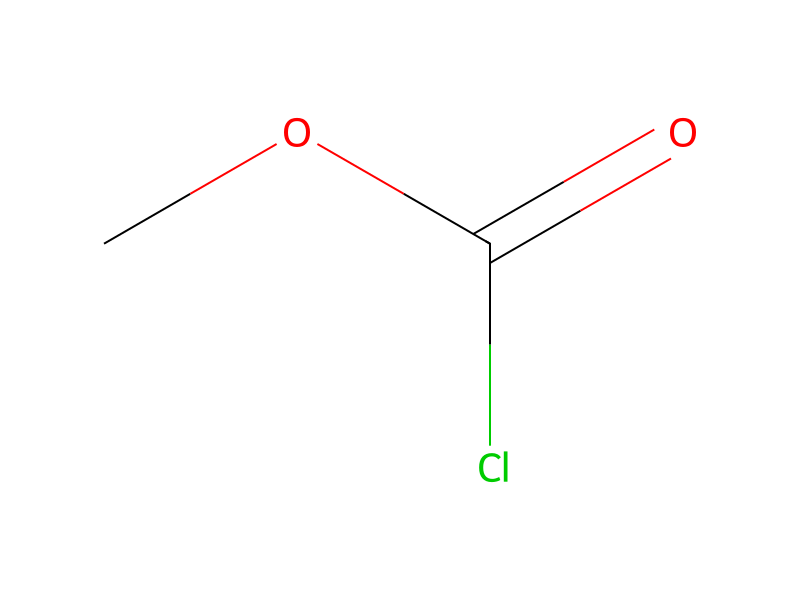
[F:1][C:2]1[CH:7]=[CH:6][CH:5]=[CH:4][C:3]=1[C:8]1[C:12]2[C:13](=[O:17])[CH2:14][CH2:15][CH2:16][C:11]=2[O:10][N:9]=1.C([N-]C(C)C)(C)C.[Li+].Cl[C:27]([O:29][CH3:30])=[O:28].O>O1CCCC1.C(OCC)(=O)C>[C:27]([CH:14]1[C:13](=[O:17])[C:12]2[C:8]([C:3]3[CH:4]=[CH:5][CH:6]=[CH:7][C:2]=3[F:1])=[N:9][O:10][C:11]=2[CH2:16][CH2:15]1)([O:29][CH3:30])=[O:28]Participants





Conditions
- Temperature
- -78 °C
Procedure
In a 600 ml anhydrous tetrahydrofuran was dissolved 6,7-dihydro-3-(2-fluorophenyl)-1,2-benzisoxazol-4(5H)-one (20.0 g) under nitrogen. The solution was cooled to -78° C. and 87 ml lithium diisopropylamide was added dropwise. The resulting solution was stirred for ten minutes at -78° C. and 8.7 ml methyl chloroformate was added. Upon warming to room temperature, the reaction mixture was poured into water and ethyl acetate. The layers were separated and the aqueous phase was extracted three times with dichloromethane. The combined organic layers were washed with brine, dried (MgSO4), filtered and concentrated. Column chromatography on silica gel (starting with 10% dichloromethane in hexane and gradually increasing the polarity to 100% DCM) gave 13.5 g of crude product.
Workup
- temperatureUpon warming to room temperature
- customThe layers were separated
- extractionthe aqueous phase was extracted three times with dichloromethane
- washThe combined organic layers were washed with brine
- dry with materialdried (MgSO4)
- filtrationfiltered
- concentrationconcentrated
- temperaturegradually increasing the polarity to 100% DCM)
Sources & evidence
- ORD record
- ord-6334df2bc6ae4245874801080c9f65b5
- Source dataset
- uspto-grants-1993_01
- Patent number
- US05180834
Reaction notes
Loading…