Pyridine → HCID 15229503, compound
Reaction equation

[OH:1][CH:2]([C:12]1[CH:17]=[CH:16][CH:15]=[CH:14][CH:13]=1)[CH2:3][CH2:4][CH2:5][CH2:6][CH2:7][CH2:8][C:9]([OH:11])=[O:10].[C:18](OC(=O)C)(=[O:20])[CH3:19].N1C=CC=CC=1.CN(C1C=CC=CN=1)C>ClCCl>[C:18]([O:1][CH:2]([C:12]1[CH:13]=[CH:14][CH:15]=[CH:16][CH:17]=1)[CH2:3][CH2:4][CH2:5][CH2:6][CH2:7][CH2:8][C:9]([OH:11])=[O:10])(=[O:20])[CH3:19]Participants
6
Reactant 4


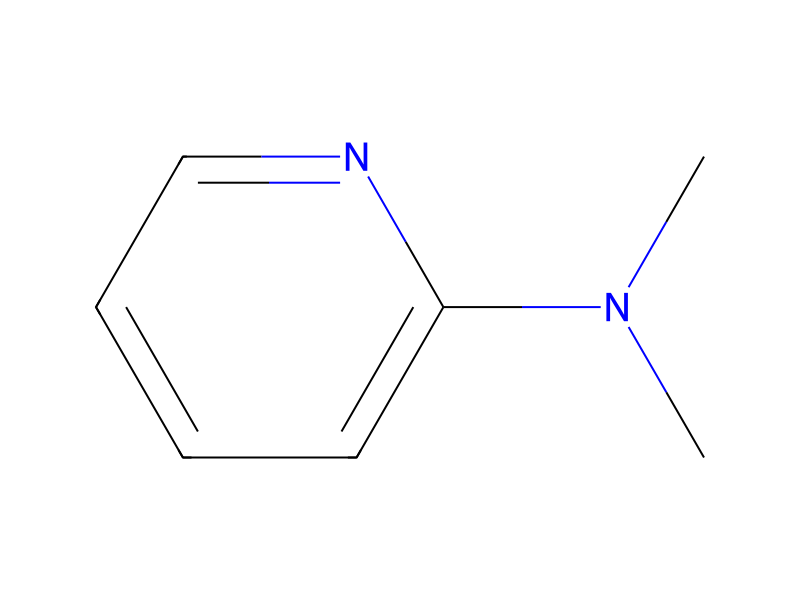

Product 1

Reagents, catalysts & solvents 1

Procedure
8-Hydroxy-8-phenyloctanoic acid (25 g) was dissolved in dichloromethane (100 ml), and acetic anhydride (12 ml), pyridine (25 ml) and dimethylaminopyridine (0.1 g) were added to the solution, followed by stirring at room temperature for 3 hours. The reaction solution was washed with water and then twice with 2N hydrochloric acid, and the organic layer was washed with water, dried and concentrated under reduced pressure to give 8-acetoxy-8-phenyloctanoic acid (21 g). Its typical physical properties and nuclear magnetic resonance spectrum are shown in Table 13.
Workup
- washThe reaction solution was washed with water
- washtwice with 2N hydrochloric acid, and the organic layer was washed with water
- customdried
- concentrationconcentrated under reduced pressure
Sources & evidence
- ORD record
- ord-854c93949a3e4689a1fff8093a305475
- Source dataset
- uspto-grants-1993_01
- Patent number
- US05180742
Reaction notes
Loading…