Diisopropylamine → 6-Methoxy-2-quinolinepropanoic Acid 1,1-Dimethylethyl Ester
Reaction equation

C(NC(C)C)(C)C.C([Li])CCC.C([N-]C(C)C)(C)C.[Li+].[C:21]([O:24][C:25]([CH3:28])([CH3:27])[CH3:26])(=[O:23])[CH3:22].Br[CH2:30][C:31]1[CH:40]=[CH:39][C:38]2[C:33](=[CH:34][CH:35]=[C:36]([O:41][CH3:42])[CH:37]=2)[N:32]=1>O1CCCC1.CCOCC>[CH3:26][C:25]([O:24][C:21](=[O:23])[CH2:22][CH2:30][C:31]1[CH:40]=[CH:39][C:38]2[C:33](=[CH:34][CH:35]=[C:36]([O:41][CH3:42])[CH:37]=2)[N:32]=1)([CH3:28])[CH3:27]Participants
Reactant 5




Product 1

Reagents, catalysts & solvents 2


Conditions
- Temperature
- 10 °C
Procedure
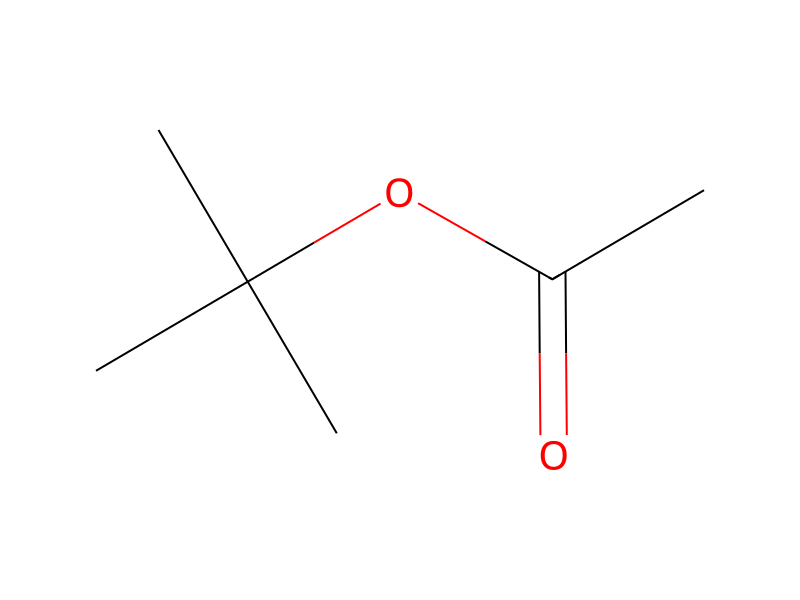
To a solution of diisopropylamine (7.4 mL, 52.8 mmol) in 70 mL of tetrahydrofuran cooled to -78° C. was added a solution of 1.6M n-butyllithium in hexanes (31.4 mL, 50.2 mmol). After being stirred for 12 minutes, the resulting solution of lithium diisopropylamide was treated with a solution of t-butyl acetate (4.81 g, 41.4 mmol) in 70 mL of tetrahydrofuran, added slowly through an addition funnel. The reaction mixture was allowed to warm gradually to 10° C. over 3.75 hr, and then recooled to -78° C. whereupon a solution of 2-(bromomethyl)-6-methoxyquinoline from the preceding example (3.46 g, 13.7 mmol) in 40 mL of tetrahydrofuran was added and the reaction was allowed to stir overnight at room temperature. The resulting solution was worked-up with ether in the usual manner. Flash chromatography of the crude product on 360 g of silica gel, eluting with hexane-ethyl acetate (4:1) afforded 1.31 g (33.8 %) of the title compound as an orange oil.
Workup
- additionadded slowly through an addition funnel
- additionwas added
- stirringto stir overnight at room temperature
- washFlash chromatography of the crude product on 360 g of silica gel, eluting with hexane-ethyl acetate (4:1)
Sources & evidence
- ORD record
- ord-c53c32b8376b46649aa5590da62458e8
- Source dataset
- uspto-grants-1995_07
- Patent number
- US05434186
Reaction notes
Loading…