1-Benzylpiperazine → HCID 20480158, compound
Reaction equation

C1(C)C=CC(S(O[CH2:11][CH:12]([C:14]2[CH:19]=[CH:18][C:17]([C:20](=[O:27])[C:21]3[CH:26]=[CH:25][CH:24]=[CH:23][CH:22]=3)=[CH:16][CH:15]=2)[CH3:13])(=O)=O)=CC=1.[CH2:29]([N:36]1[CH2:41][CH2:40][NH:39][CH2:38][CH2:37]1)[C:30]1[CH:35]=[CH:34][CH:33]=[CH:32][CH:31]=1>C(#N)C>[C:20]([C:17]1[CH:16]=[CH:15][C:14]([CH:12]([CH3:13])[CH2:11][N:39]2[CH2:40][CH2:41][N:36]([CH2:29][C:30]3[CH:31]=[CH:32][CH:33]=[CH:34][CH:35]=3)[CH2:37][CH2:38]2)=[CH:19][CH:18]=1)(=[O:27])[C:21]1[CH:22]=[CH:23][CH:24]=[CH:25][CH:26]=1Participants
4
Reactant 2
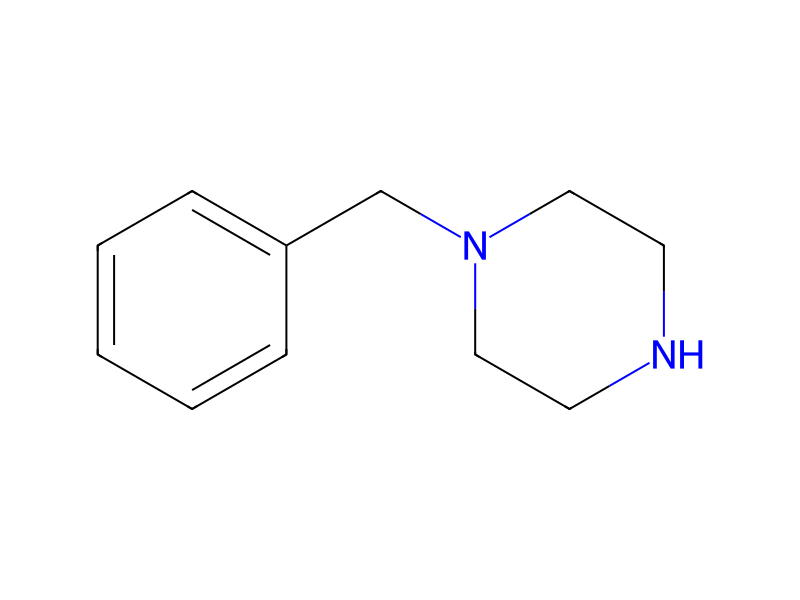

Product 1

Reagents, catalysts & solvents 1

Procedure
Reaction of 2-(4-benzoylphenyl)propyl p-toluenesulfonate with 1-benzylpiperazine in acetonitrile and isolation of the product in the form of the free base affords 1-[2-(4-benzoylphenyl)propyl]-4-benzylpiperazine. Conversion of the latter to the ethylene glycol ketal, catalytic reduction of the latter over palladium-on-charcoal at a hydrogen pressure of 50 p.s.i. in order to effect catalytic debenzylation thereof using the manipulative procedure described in Example 10 above, cleavage of the ketal with aqueous hydrochloric acid, and isolation of the product in the form of the dihydrochloric salt affords 1-[2-(4-benzoylphenyl)propyl]piperazine dihydrochloride m.p. 243°-245° C. (from ethanol).
Sources & evidence
- ORD record
- ord-3ddc4e34cb404ce3907a457d4c30a1cf
- Source dataset
- uspto-grants-1983_11
- Patent number
- US04417052
Reaction notes
Loading…