Citric Acid → Citric Acid
Reaction equation

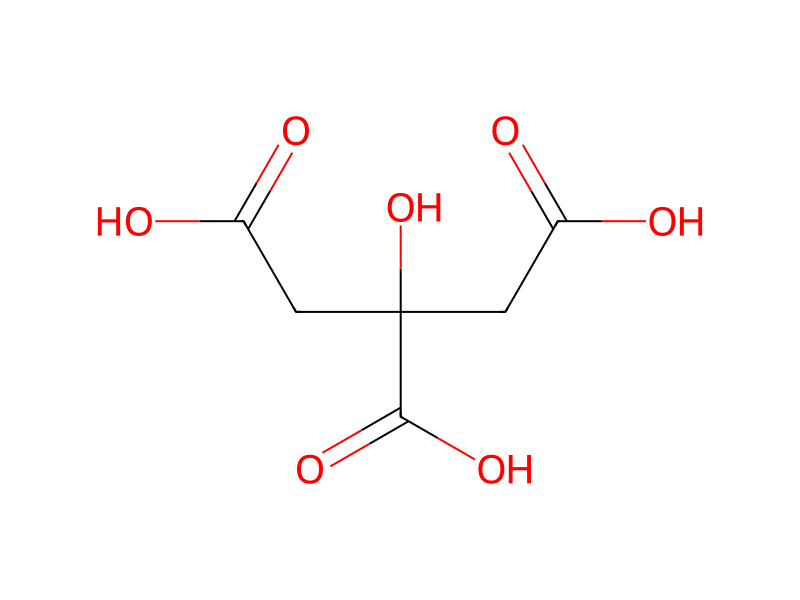
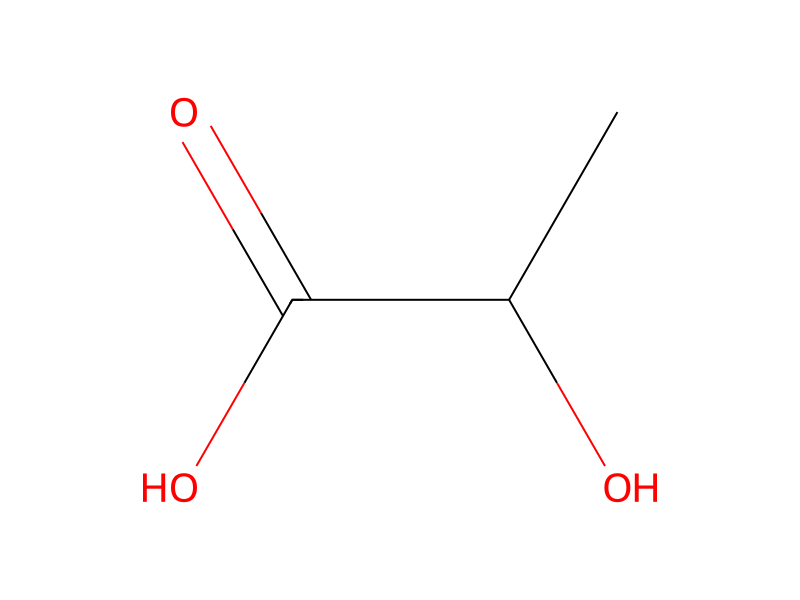
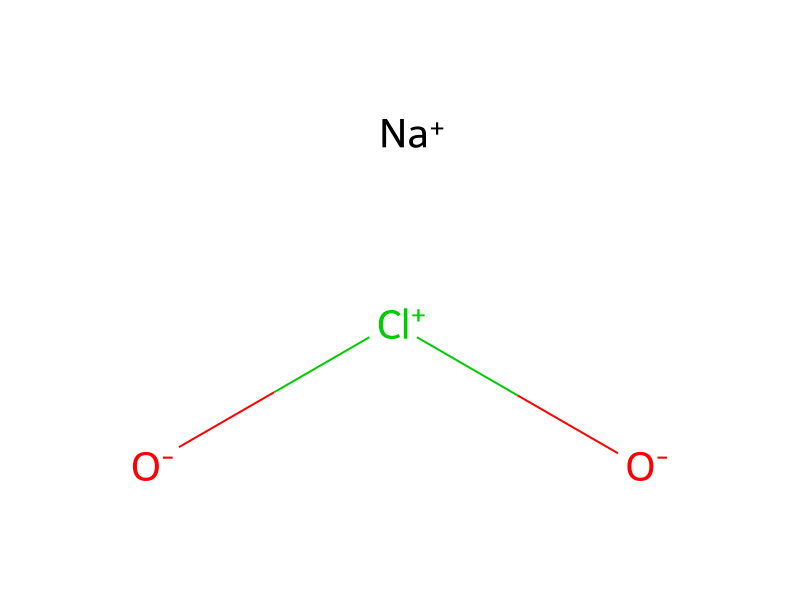
[Cl:1]([O-:3])=[O:2].[Na+].C(O)(=O)C(C)O.[C:11]([OH:23])(=[O:22])[CH2:12][C:13]([CH2:18][C:19]([OH:21])=[O:20])([C:15]([OH:17])=[O:16])[OH:14]>>[C:11]([OH:23])(=[O:22])[CH2:12][C:13]([CH2:18][C:19]([OH:21])=[O:20])([C:15]([OH:17])=[O:16])[OH:14].[Cl:1]([OH:3])=[O:2]Participants

Procedure
In practice, the reactants and reactions are produced by mixing bulk quantities of water, sodium chlorite and lactic acid to form an aqueous solution. In practice, about 1 part of lactic acid at a concentration of about 88% by volume, which is a food grade of lactic acid, is mixed with about 51 parts water and then mixed thoroughly by stirring. About three parts of sodium chlorite at a concentration of about 25-26% by volume is then added to this solution and again mixed. In practice, the water could vary from about 49-53 parts, the lactic acid could vary from about 0.8-1.2 parts and the sodium chlorite could vary from about 2.5-3.5 parts. Variations in the proportions or ratios of reactants in the ranges specified above results in variations in the concentrations of the end products of the reactions, e.g., the concentration of chlorine dioxide produced by these reactions. The 26% by volume of sodium chlorite and 88% by volume of lactic acid are commonly commercially available bulk quantities of these compounds and are generally provided to industry commercially in either drum lots or bulk quantities, for example, tank cars or tank trucks. Furthermore, note in the above reaction Number 1. that citric acid, HOC(CH2COOH)2COOH, at a concentration of about 55% by volume may be substituted for the lactic acid to produce a salt of citric acid and chlorous acid in an aqueous solution by using slightly different mixing ratios.
Sources & evidence
- ORD record
- ord-da6d6083af39491a90b26204935b9006
- Source dataset
- uspto-grants-1990_05
- Patent number
- US04925645
Reaction notes
Loading…