Acrolein → HCID 23051268, compound
Reaction equation

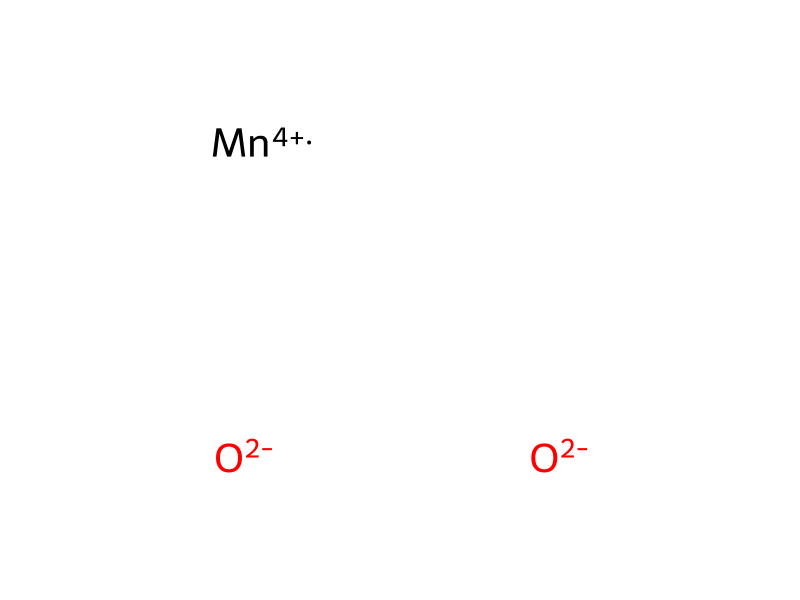
[F:1][C:2]1[CH:7]=[CH:6][C:5]([C:8]([C:11]2[CH:16]=[CH:15][C:14]([F:17])=[CH:13][CH:12]=2)=[N+]=[N-])=[CH:4][CH:3]=1.[CH:18]([CH:20]=[CH2:21])=[O:19]>ClCCl.CCCCCCC.[O-2].[O-2].[Mn+4]>[F:1][C:2]1[CH:7]=[CH:6][C:5]([C:8]2([C:11]3[CH:16]=[CH:15][C:14]([F:17])=[CH:13][CH:12]=3)[CH2:21][CH:20]2[CH:18]=[O:19])=[CH:4][CH:3]=1Participants
6
Reactant 2


Product 1

Reagents, catalysts & solvents 3


Conditions
- Temperature
- 40 °C
Procedure
A solution of bis(4-fluorophenyl)diazomethane, prepared as in Example 84 from the action of activated manganese dioxide (59.7 g) on 4,4'-difluorobenzophenone hydrazone (42.81 g) in dichloromethane (195 mL), was added to a solution of acrolein (15.7 mL) in heptane (150 mL). The deep purple reaction mixture, after being stirred at 40° C. for 2 hours then at 53° C. for 30 minutes, faded to a pale amber color. Evaporation of the solvents afforded 46 g of 2,2-bis(4-fluorophenyl)cyclopropanecarboxaldehyde as an oil. The material was used without further purification in subsequent reactions.
Workup
- waitat 53° C. for 30 minutes
- customEvaporation of the solvents
Sources & evidence
- ORD record
- ord-1c0471f8a0294318983c466e21850c30
- Source dataset
- uspto-grants-1990_05
- Patent number
- US04927826
Reaction notes
Loading…