Phosphate → Ethanol, 2-[(3-aminophenyl)sulfonyl]-
Reaction equation

ClC1C=CC([N+]([O-])=O)=CC=1S([O-])=O.[Na+].[OH:15][CH2:16][CH2:17][S:18]([C:21]1[CH:26]=[CH:25][C:24](Cl)=[C:23]([N+:28]([O-])=O)[CH:22]=1)(=[O:20])=[O:19].P([O-])([O-])([O-])=O.[H][H]>O>[OH:15][CH2:16][CH2:17][S:18]([C:21]1[CH:26]=[CH:25][CH:24]=[C:23]([NH2:28])[CH:22]=1)(=[O:19])=[O:20]Participants
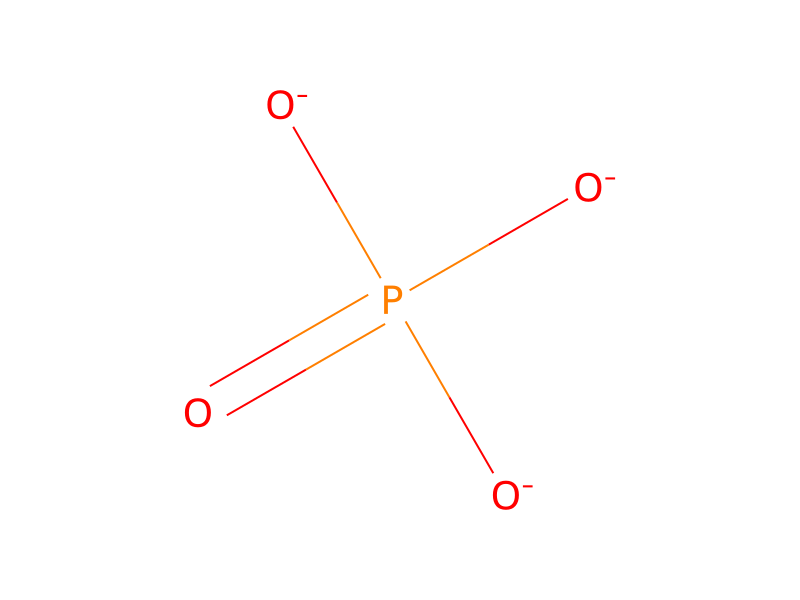





Conditions
- Temperature
- 85 °C
Procedure
102.6 g of moist paste of 2-chloro-5-nitrophenyl 2-hydroxyethyl sulphone from Example 1 [or an equimolar amount of 4-chloro-3-nitrophenyl 2-hydoxyethyl sulphone] are stirred into 250 ml of water and 50 ml of the phosphate buffer solution described under Example 2. A small amount of a nonionic emulsifier and 5 g of palladium-oncharcoal catalyst are added. Hydrogenation with hydrogen is then carried out in an autoclave at 70° C. and approximately 40 bar. The reduction is monitored by chromatography. After the hydrogenation, and after releasing the pressure and flushing the reactor, the product is heated to 85° C. and clarified via a pressure filter. The filter is cooled to 0° C. and the crystalline 3-aminophenyl 2-hydroxyethyl sulphone is isolated by filtration. 53 g of single-substance product are obtained after drying.
Workup
- customis then carried out in an autoclave at 70° C.
- customflushing the reactor
- filtrationfilter
- temperatureThe filter is cooled to 0° C.
Sources & evidence
- ORD record
- ord-07ba1c764abe422a92c08e92bb4b62df
- Source dataset
- uspto-grants-1990_05
- Patent number
- US04929757
Reaction notes
Loading…