Pyridine → HCID 23050454, compound
Reaction equation

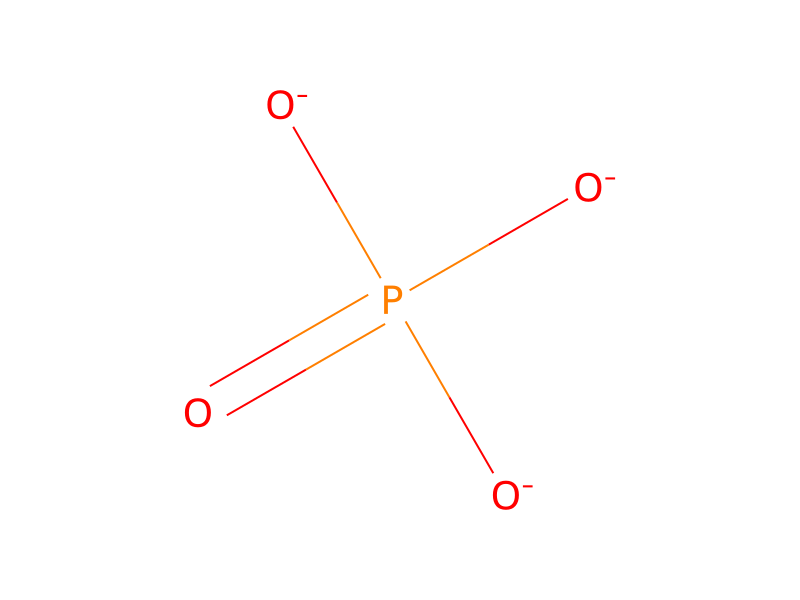
[C:1](Cl)(=[O:3])[CH3:2].N1C=CC=CC=1.[OH:11][CH2:12][C:13]#[C:14][C:15]([C:17]1[CH:22]=[C:21]([O:23][CH3:24])[C:20]([O:25][CH3:26])=[C:19]([O:27][CH3:28])[CH:18]=1)=[O:16].P([O-])([O-])([O-])=O>C(Cl)Cl>[C:1]([O:11][CH2:12][C:13]#[C:14][C:15](=[O:16])[C:17]1[CH:18]=[C:19]([O:27][CH3:28])[C:20]([O:25][CH3:26])=[C:21]([O:23][CH3:24])[CH:22]=1)(=[O:3])[CH3:2]Participants
6
Reactant 4



Product 1

Reagents, catalysts & solvents 1

Procedure
0.815 g of acetyl chloride and 0.827 g of pyridine were added simultaneously to a solution of 2.0 g (7.99 mmol) of 4-hydroxy-1-(3,4,5-trimethoxyphenyl)-2-butyn-1-one in 20 ml of methylene chloride. The reaction mixture was stirred at 0° for 1 hour, whereupon it was treated with 30 ml of phosphate buffer (pH 6) and the aqueous phase was extracted twice with methylene chloride. The combined organic phases were dried over magnesium sulphate and evaporated. The residue was recrystallized from ethyl acetate/hexane and there was obtained 3-(3,4,5-trimethoxy-benzoyl)-2-propynyl acetate of melting point 104°-105°.
Workup
- extractionthe aqueous phase was extracted twice with methylene chloride
- dry with materialThe combined organic phases were dried over magnesium sulphate
- customevaporated
- customThe residue was recrystallized from ethyl acetate/hexane
Sources & evidence
- ORD record
- ord-7be08d16adc846fd87120a5d5bed18b8
- Source dataset
- uspto-grants-1990_05
- Patent number
- US04929741
Reaction notes
Loading…