Ethyl bromopyruvate → Ethyl 2-cyclopropylthiazole-4-carboxylate
Reaction equation

Br[CH2:2][C:3](=O)[C:4]([O:6][CH2:7][CH3:8])=[O:5].[CH:10]1([C:13](=[S:15])[NH2:14])[CH2:12][CH2:11]1>C(O)C>[CH:10]1([C:13]2[S:15][CH:2]=[C:3]([C:4]([O:6][CH2:7][CH3:8])=[O:5])[N:14]=2)[CH2:12][CH2:11]1Participants
4
Reactant 2
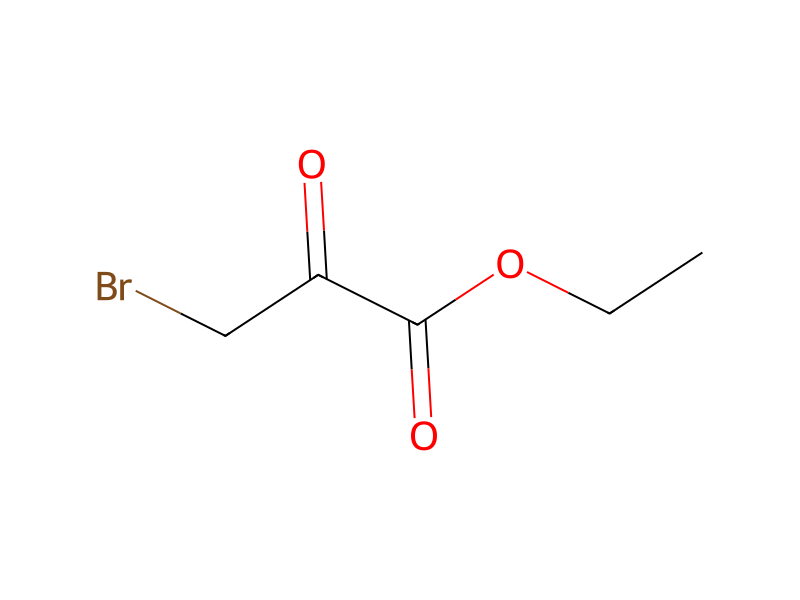

Product 1

Reagents, catalysts & solvents 1

Procedure
A mixture of ethyl bromopyruvate (3.6 g), cyclopropanethioamide (2.2 g) and ethanol (30 ml) was refluxed for two hours. The reaction mixture was cooled, then ethanol was distilled off under reduced pressure. To the residue was added water (30 ml), which was subjected to extraction with ethyl acetate (50 ml) twice. The extract solution was washed with water (30 ml), followed by drying over magnesium sulfate. The solvent was distilled off under reduced pressure. The residue was subjected to a silica gel chromatography (2.5×30 cm), eluting with ethyl acetate-hexane (1:3). The desired fraction was concentrated to give ethyl 2-cyclopropyl-4-thiazolcarboxylate (0.84 g) as pale yellow needles.
Workup
- temperaturewas refluxed for two hours
- temperatureThe reaction mixture was cooled
- distillationethanol was distilled off under reduced pressure
- additionTo the residue was added water (30 ml), which
- extractionwas subjected to extraction with ethyl acetate (50 ml) twice
- washThe extract solution was washed with water (30 ml)
- dry with materialby drying over magnesium sulfate
- distillationThe solvent was distilled off under reduced pressure
- washeluting with ethyl acetate-hexane (1:3)
- concentrationThe desired fraction was concentrated
Sources & evidence
- ORD record
- ord-c8d0e8c668f646c48596e78cfea83cb6
- Source dataset
- uspto-grants-1995_04
- Patent number
- US05405861
Reaction notes
Loading…