1-Butanol → HCID 86748629, compound
Reaction equation

[CH2:1]([S:9][CH2:10][CH2:11][CH2:12][CH2:13][CH2:14][CH2:15][CH2:16][CH3:17])[CH2:2][CH2:3][CH2:4][CH2:5][CH2:6][CH2:7][CH3:8].[OH:18][CH2:19][CH:20]([OH:22])[CH3:21].C(O)CCC.[B:28]([OH:31])([OH:30])[OH:29]>C1(C)C=CC=CC=1>[B:28]([OH:31])([OH:30])[OH:29].[CH2:10]([S:9][CH2:1][CH2:2][CH2:3][CH2:4][CH2:5][CH2:6][CH2:7][CH3:8])[CH2:11][CH2:12][CH2:13][CH2:14][CH2:15][CH2:16][CH3:17].[OH:18][CH2:19][CH:20]([OH:22])[CH3:21]Participants
5
Reactant 3

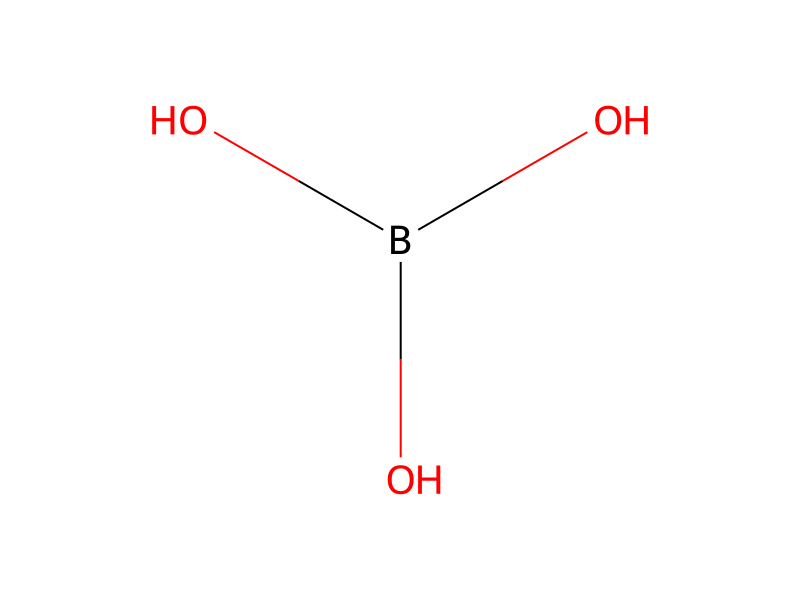

Product 1

Reagents, catalysts & solvents 1

Conditions
- Temperature
- 60 °C
Procedure
A solution of 1,2-dihydroxypropane octyl sulfide (70 g), prepared as described in Example 5, n-butanol (60 g), and toluene (60 g) was heated to 60° C., and 13.1 g of boric acid were added. The expected amount of water was removed by azeotropic distillation with a maxima reaction temperature of 115° C. The reaction solution was filtered through diatomaceous earth. Solvent was removed by high speed rotary evaporation under reduced pressure yielding a pale yellow fluid product.
Workup
- customThe expected amount of water was removed by azeotropic distillation with a maxima reaction temperature of 115° C
- filtrationThe reaction solution was filtered through diatomaceous earth
- customSolvent was removed by high speed rotary evaporation under reduced pressure
- customyielding a pale yellow fluid product
Sources & evidence
- ORD record
- ord-ca7b8b61df2a41539180a62219d773db
- Source dataset
- uspto-grants-1995_04
- Patent number
- US05407451
Reaction notes
Loading…