6-Amino-5-fluoroindolin-2-one → HCID 10040435, compound
Reaction equation

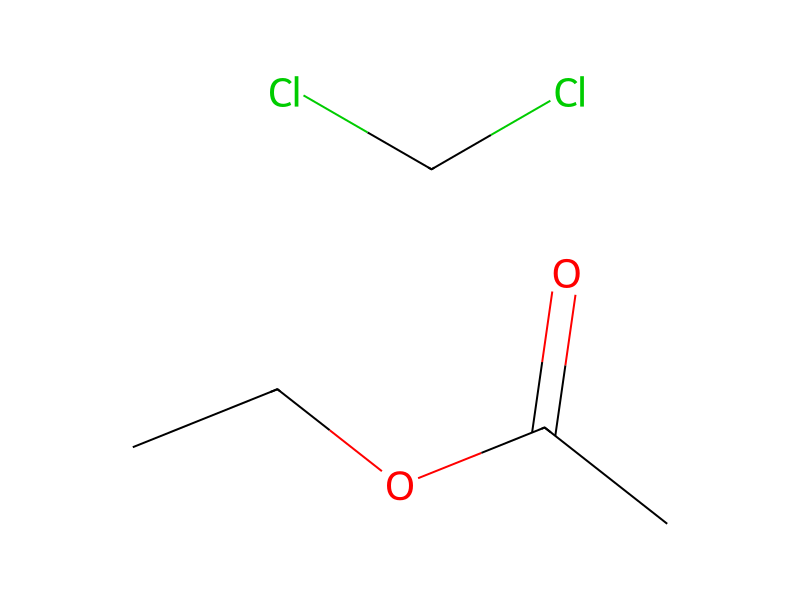
[NH2:1][C:2]1[CH:10]=[C:9]2[C:5]([CH2:6][C:7](=[O:11])[NH:8]2)=[CH:4][C:3]=1[F:12].[C:13]1(=O)[O:18][C:16](=[O:17])[CH:15]2[CH2:19][CH2:20][CH:21]=[CH:22][CH:14]12.C(OCC)(=O)C.C(Cl)Cl>C(O)(=O)C>[F:12][C:3]1[CH:4]=[C:5]2[C:9](=[CH:10][C:2]=1[N:1]1[C:13](=[O:18])[C:14]3[CH2:22][CH2:21][CH2:20][CH2:19][C:15]=3[C:16]1=[O:17])[NH:8][C:7](=[O:11])[CH2:6]2Participants
5




Procedure
A mixture of 6-amino-5-fluoro-2-indolinone (10.5 g, 63.25 mmol) and tetrahydrophthalic anhydride (10.95 g, 66.42 mmol) in acetic acid (30 mL) is heated at reflux for 2 hours, cooled and concentrated in vacuo to obtain a residue. Chromatography of the residue using silica gel and a 3:7 ethyl acetate/methylene chloride solution gives the title product as a light violet solid (14.7 g, mp 234°-236° C.). Following the procedure of Example 3, but substituting 6-amino-2-indolinone for 6-amino-5-fluoro-2-indolinone gives N-(2-oxo-6-indolinyl)-1-cyclohexene-1,2-dicarboximide as a green solid, mp 225°-226° C.
Workup
- temperatureis heated
- temperatureat reflux for 2 hours
- temperaturecooled
- concentrationconcentrated in vacuo
- customto obtain a residue
Sources & evidence
- ORD record
- ord-f6a0bc7d6ce9416bb7c9ddc7b300db3c
- Source dataset
- uspto-grants-1993_10
- Patent number
- US05252536
Reaction notes
Loading…