Carbon Dioxide → HCID 86733537, compound
Reaction equation

[NH2:1][CH:2]([P:16]([O:25][C:26]1[CH:31]=[CH:30][CH:29]=[CH:28][CH:27]=1)([O:18][C:19]1[CH:24]=[CH:23][CH:22]=[CH:21][CH:20]=1)=[O:17])[C:3]([O:5][CH2:6][C:7]1[CH:12]=[CH:11][C:10]([N+:13]([O-:15])=[O:14])=[CH:9][CH:8]=1)=[O:4].[SH2:32].[C:33](=O)=O>>[CH:33]([NH:1][CH:2]([P:16]([O:18][C:19]1[CH:24]=[CH:23][CH:22]=[CH:21][CH:20]=1)([O:25][C:26]1[CH:27]=[CH:28][CH:29]=[CH:30][CH:31]=1)=[O:17])[C:3]([O:5][CH2:6][C:7]1[CH:12]=[CH:11][C:10]([N+:13]([O-:15])=[O:14])=[CH:9][CH:8]=1)=[O:4])=[S:32]Participants
4

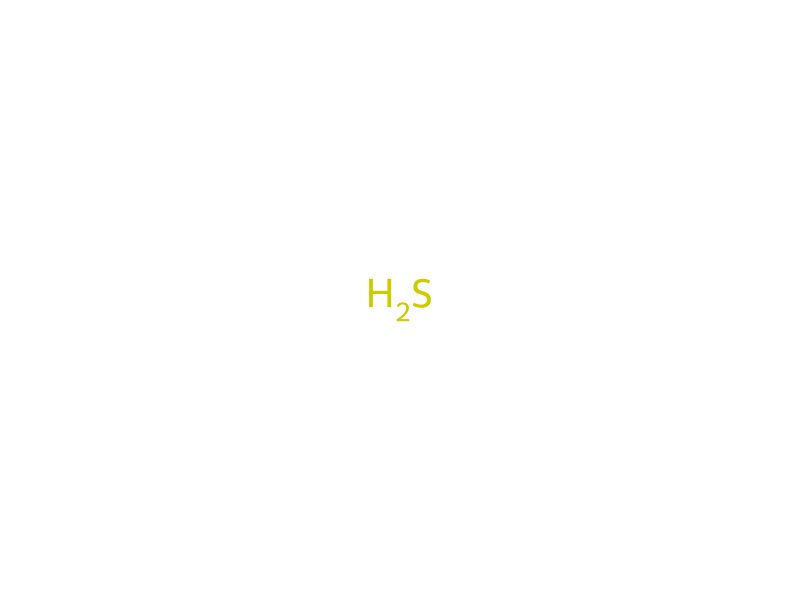


Procedure
A mixture of p-nitrobenzyl α-amino-diphenylphosphonoacetate (5.0 g), ethyl thionoformate (5 ml), and hydrogen sulfide (5 ml) in a sealed thick-walled tube is left standing overnight at room temperature. The tube is cooled in dry-ice and the seal removed. A boiling chip is placed in the solution and it is allowed to slowly come to room temperature. Nitrogen is bubbled in to remove final traces of hydrogen sulfide. The residue is dissolved in methylene chloride, filtered, and evaporated under reduced pressure. Chromatography of the residue on silica gel gives p-nitrobenzyl α-thioformamido-diphenylphosphonoacetate.
Workup
- waitis left
- customthe seal removed
- customto slowly come to room temperature
- customNitrogen is bubbled in
- customto remove final traces of hydrogen sulfide
- dissolutionThe residue is dissolved in methylene chloride
- filtrationfiltered
- customevaporated under reduced pressure
Sources & evidence
- ORD record
- ord-f8ac047c48f84f53b81405a18b76f723
- Source dataset
- uspto-grants-1976_06
- Patent number
- US03962224
Reaction notes
Loading…