O-Phenylenediamine → 2,3-Dihydroxyquinoxaline
Reaction equation

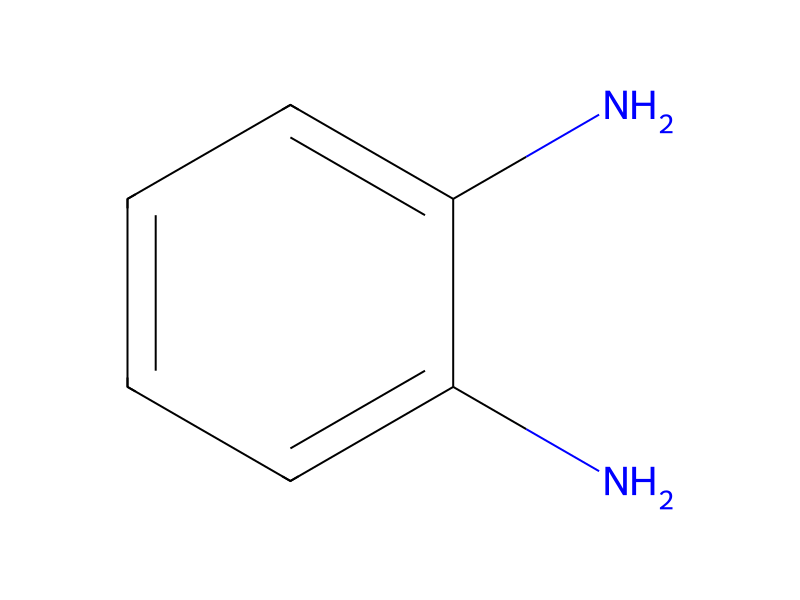
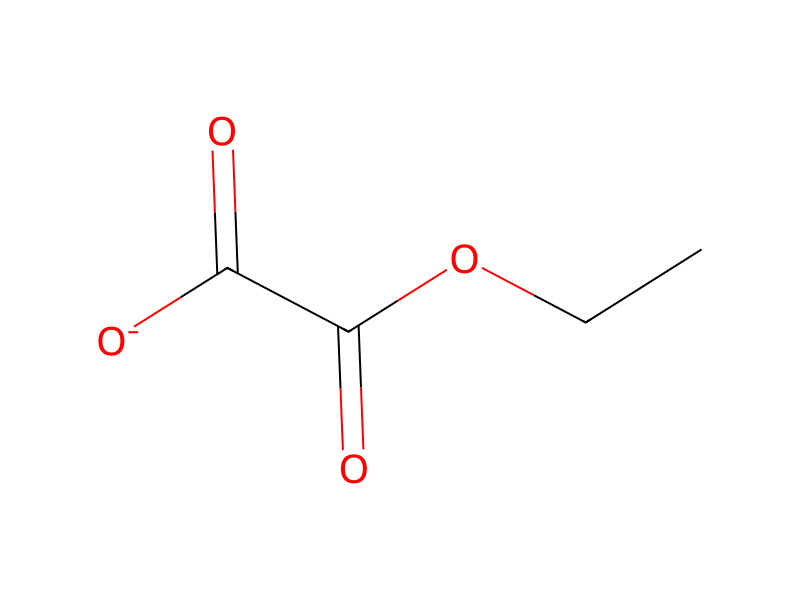
[C:1]1([NH2:8])[CH:6]=[CH:5][CH:4]=[CH:3][C:2]=1[NH2:7].[C:9](OCC)(=[O:13])[C:10]([O-])=[O:11]>>[NH:7]1[C:2]2[C:1](=[CH:6][CH:5]=[CH:4][CH:3]=2)[NH:8][C:10](=[O:11])[C:9]1=[O:13]Participants
3

Procedure
o-Phenylenediamine (10 grams) and ethyl oxalate (100 ml.) were mixed and the mixture was heated, with stirring, to reflux and refluxed for 30 minutes. The reaction mixture was then cooled and the resulting precipitate, the desired 2(1H), 3(4H)-quinoxalinedione, was separated by filtration. The product did not melt below 400°C. It was recrystallized from a mixture of dimethylformamide and water, yielding a purified product which did not melt below 405°C. The identity of the product was confirmed by NMR and IR. Elemental analysis showed
Workup
- temperaturethe mixture was heated
- temperatureto reflux
- temperaturerefluxed for 30 minutes
- temperatureThe reaction mixture was then cooled
- customthe resulting precipitate, the desired 2(1H), 3(4H)-quinoxalinedione, was separated by filtration
- customdid not melt below 400°C
- customIt was recrystallized from a mixture of dimethylformamide and water
- customyielding a purified product which
- customdid not melt below 405°C
Sources & evidence
- ORD record
- ord-2225fd98fc1049a8a7f020a80d261b58
- Source dataset
- uspto-grants-1976_06
- Patent number
- US03962440
Reaction notes
Loading…