4-Trifluoromethyl-1,2-phenylenediamine → 1,4-Dihydro-6-(trifluoromethyl)-2,3-quinoxalinedione
Reaction equation

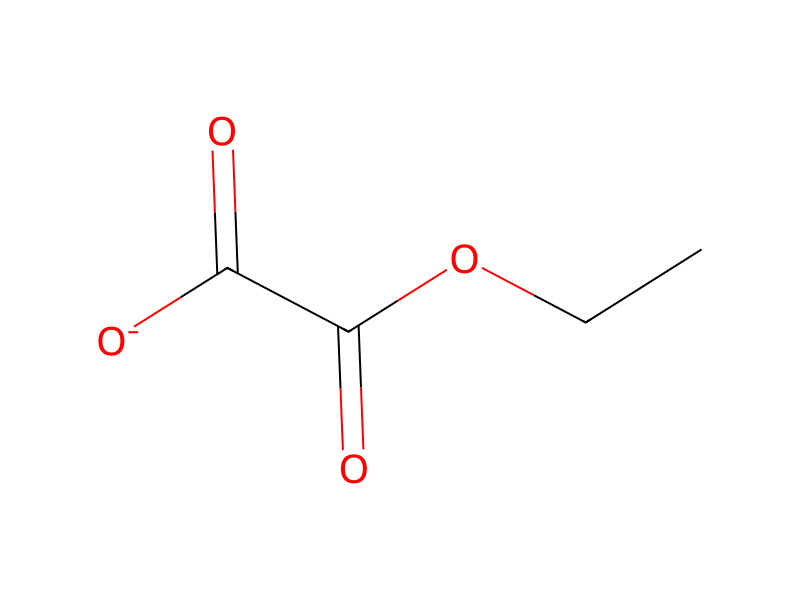
[F:1][C:2]([F:12])([F:11])[C:3]1[CH:8]=[CH:7][C:6]([NH2:9])=[C:5]([NH2:10])[CH:4]=1.[C:13](OCC)(=[O:17])[C:14]([O-])=[O:15]>>[F:1][C:2]([F:11])([F:12])[C:3]1[CH:4]=[C:5]2[C:6](=[CH:7][CH:8]=1)[NH:9][C:14](=[O:15])[C:13](=[O:17])[NH:10]2Participants
3


Procedure
4-Trifluoromethyl-o-phenylenediamine (8.0 grams) was added to 80 ml. of ethyl oxalate and the resulting mixture was heated to reflux and refluxed for two hours. A precipitate formed during this period. The reaction mixture was then cooled to room temperature and filtered to separate the precipitate, m.p. 344°-346°C. (dec.) The product was identified as the expected 6-trifluoromethyl- 2(1H), 3(4H)-quinoxalinedione, by IR, TLC, NMR, and microanalysis.
Workup
- temperatureto reflux
- temperaturerefluxed for two hours
- customA precipitate formed during this period
- filtrationfiltered
- customto separate the precipitate, m.p. 344°-346°C. (dec.) The product
Sources & evidence
- ORD record
- ord-59abf0883b5d4153b84d01a9b52db743
- Source dataset
- uspto-grants-1976_06
- Patent number
- US03962440
Reaction notes
Loading…