Water → 3-Phenoxybenzaldehyde
Reaction equation

[O:1]([C:8]1[CH:9]=[C:10]([CH:14]2OCC[O:15]2)[CH:11]=[CH:12][CH:13]=1)[C:2]1[CH:7]=[CH:6][CH:5]=[CH:4][CH:3]=1.S(=O)(=O)(O)O.[C-]#N.[Na+].O>C1(C)C(C)=CC=CC=1.[Cl-].C([N+](CCCC)(CCCC)CCCC)CCC>[O:1]([C:8]1[CH:9]=[C:10]([CH:11]=[CH:12][CH:13]=1)[CH:14]=[O:15])[C:2]1[CH:3]=[CH:4][CH:5]=[CH:6][CH:7]=1Participants




Procedure
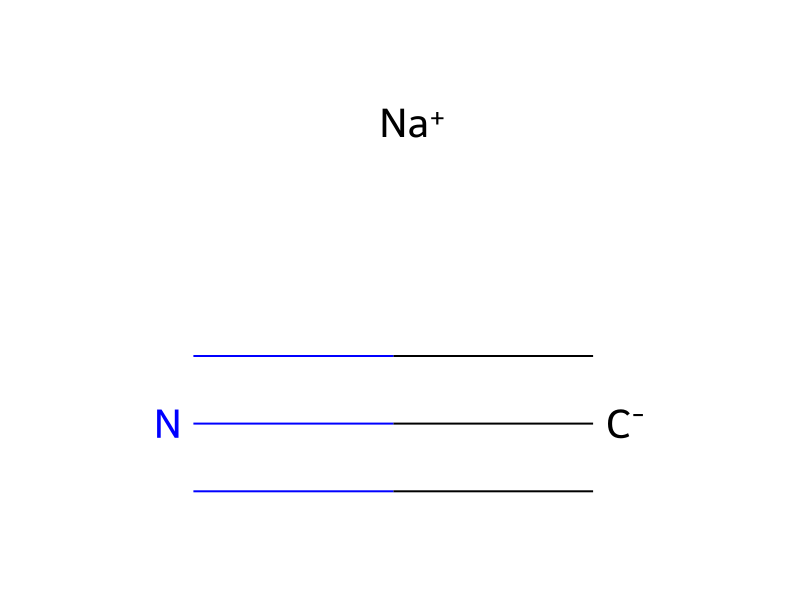
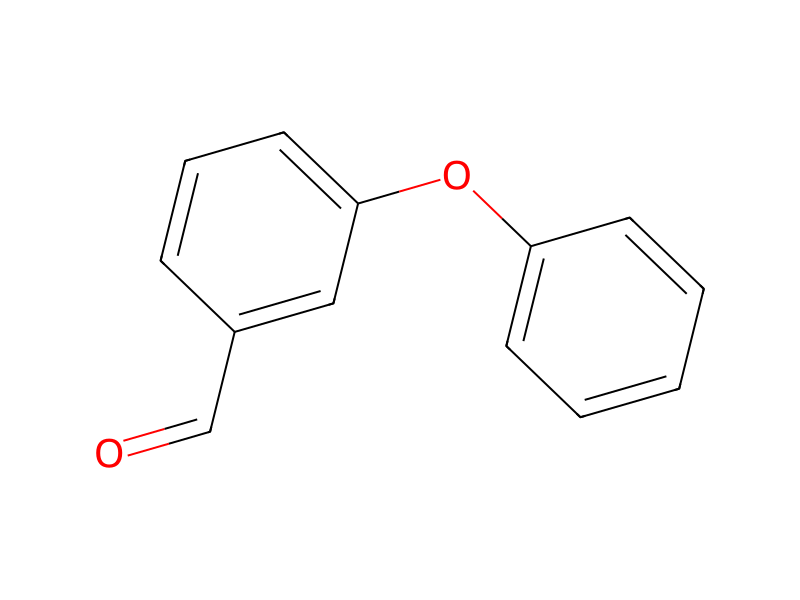
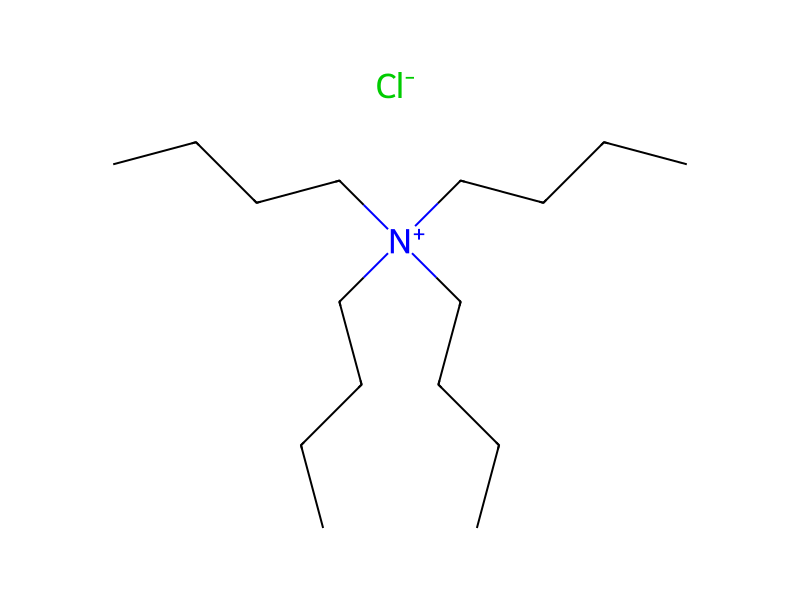
A solution of 2-(3-phenoxyphenyl)-1,3-dioxolane prepared according to Example 7 in xylene is treated with an aqueous sulfuric acid solution as described in Example 8. The reaction mixture is cooled and 83 g. of tetrabutylammonium chloride are added followed by a dropwise addition of a solution of 100 g. of sodium cyanide in 500 ml. of water at 10° to 20° C. Thereafter a solution of 48 ml. of concentrated sulfuric acid in 500 ml. of water is added dropwise and the reaction mixture is stirred until no traces of starting compound can be detected by thin layer chromatography. From the xylene phase 196 g. of 3-phenoxybenzaldehyde cyanehydrin are isolated. The purity of the product obtained is better than 95% (determined by NMR spectroscopy). Yield: 58% calculated for 2-(3-chlorophenyl)-1,3-dioxolane.
Workup
- temperatureThe reaction mixture is cooled
- additionfollowed by a dropwise addition of a solution of 100 g
- customat 10° to 20° C
Sources & evidence
- ORD record
- ord-a2027a301e7a45b6827a6d8cc4e9edb0
- Source dataset
- uspto-grants-1981_12
- Patent number
- US04304938
Reaction notes
Loading…