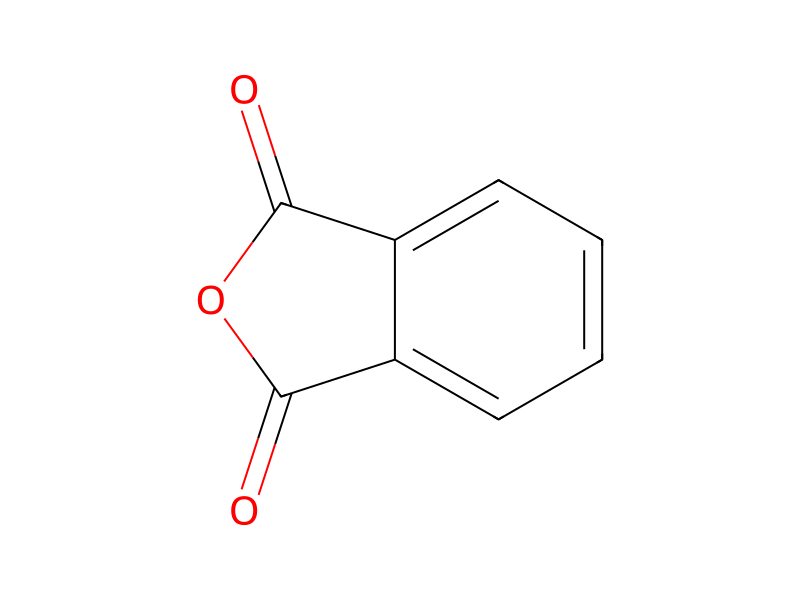
Phthalic Anhydride → HCID 20523556, compound
Reaction equation

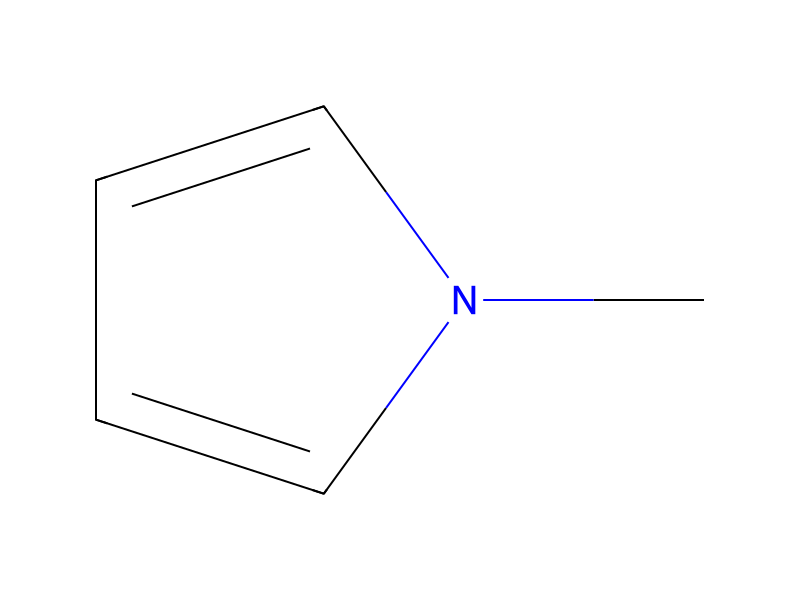
[C:1]1(=[O:11])[O:6][C:4](=[O:5])[C:3]2=[CH:7][CH:8]=[CH:9][CH:10]=[C:2]12.[CH3:12][N:13]1[CH:17]=[CH:16][CH:15]=[CH:14]1.[Cl-].[Al+3].[Cl-].[Cl-]>ClC1C=CC=CC=1>[C:12]1([N:13]2[CH:17]=[CH:16][CH:15]=[C:14]2[C:4]([C:3]2[CH:7]=[CH:8][CH:9]=[CH:10][C:2]=2[C:1]([OH:6])=[O:11])=[O:5])[CH:4]=[CH:3][CH:2]=[CH:10][CH:9]=1Participants
5
Reactant 3

Product 1

Reagents, catalysts & solvents 1

Procedure
Proceeding in a manner similar to that described in part A of Example 16, 14.8 g (0.1 mole) of phthalic anhydride, 16.2 g (0.2 mole) of N-methylpyrrole and 39.0 g (0.3 mole) of aluminum chloride were interacted in 50 ml of chlorobenzene to obtain 2-[(1-methyl-2-pyrrolyl)carbonyl]benzoic acid (Formula IX: Ro =R1 =R2 =R3 =H; R7 =CH3) melting at 165°-167° C. A significant infrared absorption maximum appeared at 1710 cm-1 (C=O; s).
Sources & evidence
- ORD record
- ord-9c3dc770a61a45b892e5072649320f10
- Source dataset
- uspto-grants-1981_12
- Patent number
- US04307018
Reaction notes
Loading…