6-Methoxy-1,2,3,4-tetrahydronaphthalen-2-one → HCID 20556815, compound
Reaction equation

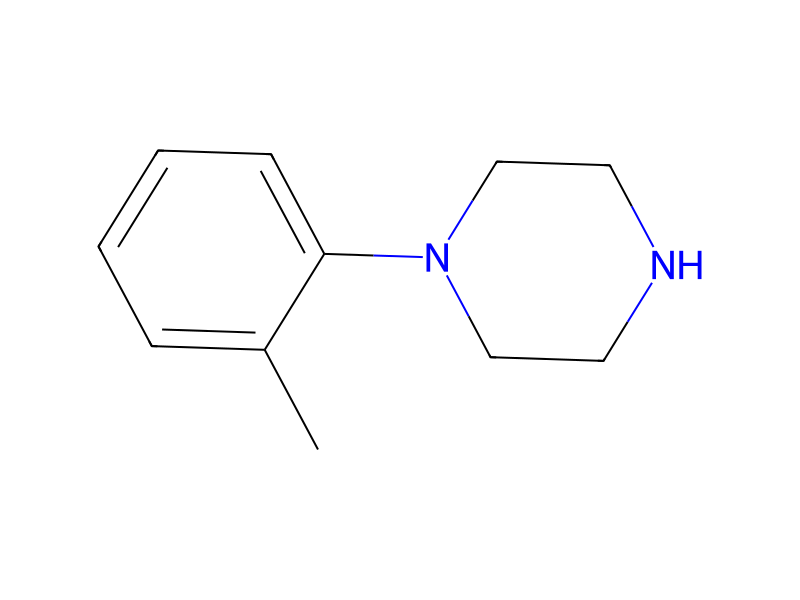
[CH3:1][O:2][C:3]1[CH:4]=[C:5]2[C:10](=[CH:11][CH:12]=1)[CH2:9][C:8](=O)[CH2:7][CH2:6]2.[C:14]1([CH3:26])[CH:19]=[CH:18][CH:17]=[CH:16][C:15]=1[N:20]1[CH2:25][CH2:24][NH:23][CH2:22][CH2:21]1>C(O)(=O)C.[Pd]>[CH3:1][O:2][C:3]1[CH:4]=[C:5]2[C:10](=[CH:11][CH:12]=1)[CH2:9][CH:8]([N:23]1[CH2:24][CH2:25][N:20]([C:15]3[CH:16]=[CH:17][CH:18]=[CH:19][C:14]=3[CH3:26])[CH2:21][CH2:22]1)[CH2:7][CH2:6]2Participants
5
Reactant 2

Product 1

Reagents, catalysts & solvents 2


Procedure
3.6 g of 6-methoxy-2-tetralone are dissolved together with 3.9 g of N-(o-tolyl)-piperazine in 50 ml of acetic acid, 1 g of a 10% palladium on charcoal catalyst is added and hydrogenation effected. When the take-up of hydrogen ceases, the catalyst is filtered off, the solvent evaporated and the residue chromatographed on Kieselgel in manner analogous to that described in Example 1. The title compound is obtained as a compact residue. M.P. 286°-288° [Hydrochloride salt form].
Workup
- additionis added
- filtrationWhen the take-up of hydrogen ceases, the catalyst is filtered off
- customthe solvent evaporated
- customthe residue chromatographed on Kieselgel in manner analogous to
Sources & evidence
- ORD record
- ord-33aa7838141c40ffbd467a545d68d6ad
- Source dataset
- uspto-grants-1981_12
- Patent number
- US04308266
Reaction notes
Loading…