(4-Chlorophenyl)acetic acid → alpha-Bromo-4-chlorophenylacetic acid
Reaction equation

[Cl:1][C:2]1[CH:7]=[CH:6][C:5]([CH2:8][C:9]([OH:11])=[O:10])=[CH:4][CH:3]=1.[Br:12]N1C(=O)CCC1=O>ClCC(Cl)(Cl)Cl>[Br:12][CH:8]([C:5]1[CH:4]=[CH:3][C:2]([Cl:1])=[CH:7][CH:6]=1)[C:9]([OH:11])=[O:10]Participants
Reactant 2
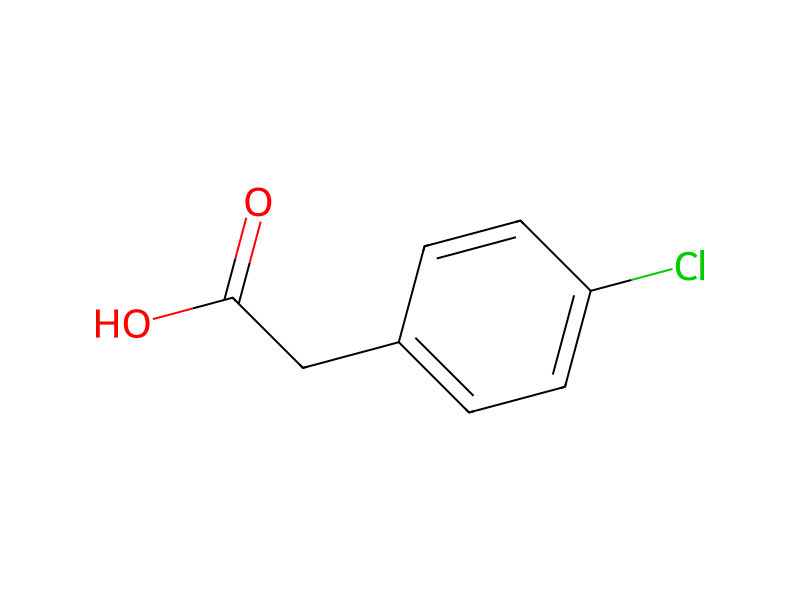

Product 1

Reagents, catalysts & solvents 1

Conditions
- Temperature
- 0 °C
Procedure
80.0 g (469 mmol) of 4-chlorophenylacetic acid are dissolved in 200 ml of tetrachloroethane under argon and heated under RF. While boiling, 100 g (563 mmol) of N-bromosuccinimide and 7.70 g (46.9 mmol) of 2,2′-azobis-2-methylpropanenitrile are added, and the mixture is heated under RF overnight. It is then cooled to 0° C. and filtered with suction, the precipitate is washed with cold tetrachloromethane, and the filtrate is concentrated. The residue is dissolved in diethyl ether and extracted three times with saturated aqueous bicarbonate solution. The combined aqueous phases are adjusted to a pH of 1 with concentrated hydrochloric acid and extracted four times with diethyl ether. The combined organic phases are dried over magnesium sulfate, filtered and concentrated to result in 83.0 g (71% of theory) of the product, which is reacted further without further purification.
Workup
- temperatureheated under RF
- temperaturethe mixture is heated under RF overnight
- filtrationfiltered with suction
- washthe precipitate is washed with cold tetrachloromethane
- concentrationthe filtrate is concentrated
- dissolutionThe residue is dissolved in diethyl ether
- extractionextracted three times with saturated aqueous bicarbonate solution
- extractionextracted four times with diethyl ether
- dry with materialThe combined organic phases are dried over magnesium sulfate
- filtrationfiltered
- concentrationconcentrated
- customto result in 83.0 g (71% of theory) of the product, which
- customis reacted further without further purification
Sources & evidence
- ORD record
- ord-520227913b24436ab8c25375249cf7f4
- Source dataset
- uspto-grants-2011_10
- Patent number
- US08030347B2
Reaction notes
Loading…