1-Pyrrolidineethanamine → 5-Bromo-pyridine-2-carboxylic acid (2-pyrrolidin-1-yl-ethyl)-amide
Reaction equation

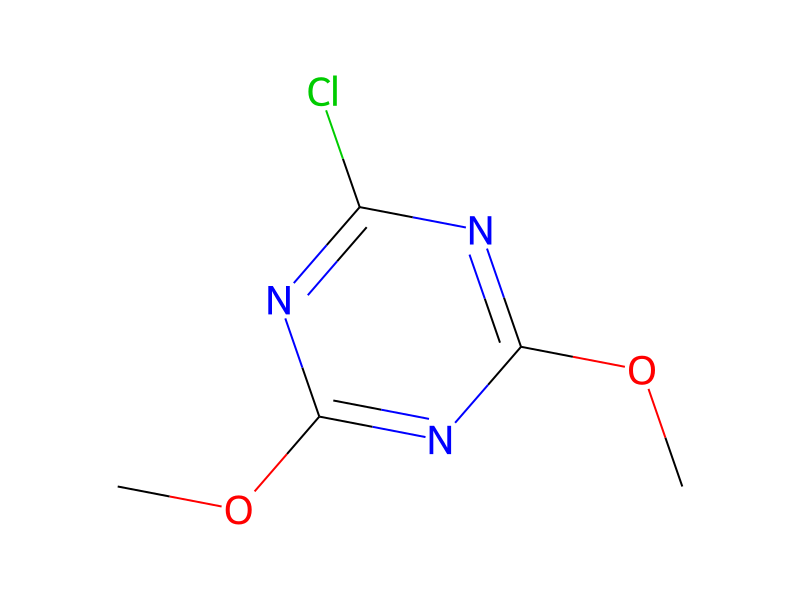
[Br:1][C:2]1[CH:3]=[CH:4][C:5]([C:8]([OH:10])=O)=[N:6][CH:7]=1.ClC1N=C(OC)N=C(OC)N=1.CN1CCOCC1.[N:29]1([CH2:34][CH2:35][NH2:36])[CH2:33][CH2:32][CH2:31][CH2:30]1>C(Cl)Cl>[N:29]1([CH2:34][CH2:35][NH:36][C:8]([C:5]2[CH:4]=[CH:3][C:2]([Br:1])=[CH:7][N:6]=2)=[O:10])[CH2:33][CH2:32][CH2:31][CH2:30]1Participants
Reactant 4



Product 1

Reagents, catalysts & solvents 1

Procedure
5-Bromo-pyridine-2-carboxylic acid (0.81 g, 4 mmol) was combined with 2-chloro-4,6-dimethoxy-1,3,5-triazine (CDMT) (0.85 g, 4.8 mmol) and diluted with DCM (20 mL). This was immediately treated with 4-methyl morpholine (0.81 g, 8 mmol) and allowed to stir at ambient temperature for 1 h. 2-Pyrrolidin-1-yl-ethylamine (0.46 g, 4 mmol) was then added in one portion. Stirring was continued overnight. Reaction solvents were removed and residue was taken up in ethyl acetate and washed once with water. Aqueous phase was back extracted once with fresh ethyl acetate. Organic phases were combined, washed once with brine and dried over sodium sulfate. Filtration followed by rotary evaporation provided product as yellow oil which solidified upon standing. Yellowish solids (0.5 g, 42%)
Workup
- stirringStirring
- waitwas continued overnight
- customReaction solvents
- customwere removed
- washwashed once with water
- extractionAqueous phase was back extracted once with fresh ethyl acetate
- washwashed once with brine
- dry with materialdried over sodium sulfate
- filtrationFiltration
- customfollowed by rotary evaporation
- customprovided product as yellow oil which
Sources & evidence
- ORD record
- ord-ef722978a0304ab0a35ae732a39023e0
- Source dataset
- uspto-grants-2011_10
- Patent number
- US08030487B2
Reaction notes
Loading…