Sodium Carbonate → Methyl 2-(4-fluorophenyl)nicotinate
Reaction equation

C(=O)([O-])[O-].[Na+].[Na+].[CH3:7][O:8][C:9](=[O:17])[C:10]1[CH:15]=[CH:14][CH:13]=[N:12][C:11]=1Cl.[F:18][C:19]1[CH:24]=[CH:23][C:22](B(O)O)=[CH:21][CH:20]=1>CCO>[CH3:7][O:8][C:9](=[O:17])[C:10]1[CH:15]=[CH:14][CH:13]=[N:12][C:11]=1[C:22]1[CH:23]=[CH:24][C:19]([F:18])=[CH:20][CH:21]=1Participants
5
Reactant 3

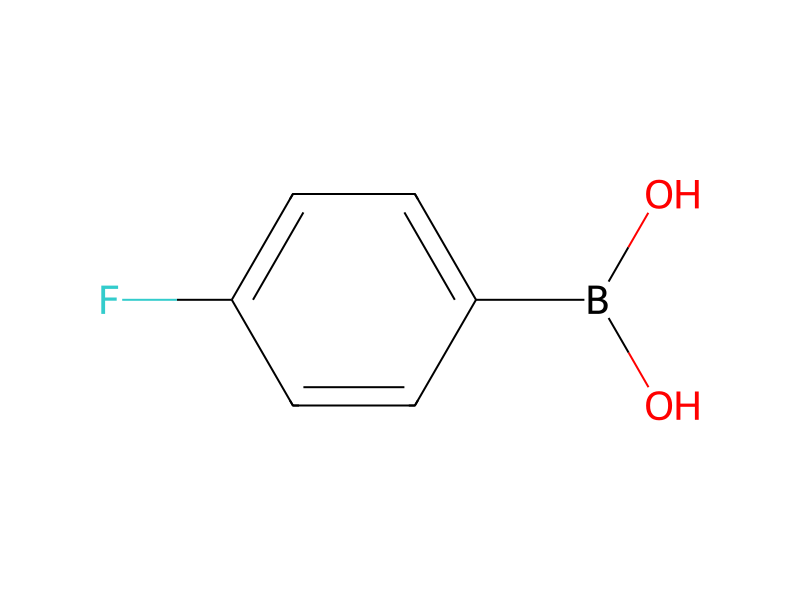

Product 1

Reagents, catalysts & solvents 1

Conditions
- Temperature
- 78 °C
Procedure
To a nitrogen purged flask was charged Pd(Ph3)4 (1.84 g, 1.6 mmoles, 0.005 eq), sodium carbonate (42.8 g, 404 mmoles, 1.3 eq), 52 (55.5 g, 320.6 mmoles, 1.0 eq), p-fluorophenylboronic acid (53.8 g, 384.7 mmoles, 1.2 eq), followed by 1.3 L denatured EtOH. The reaction was heated to 78° C. with vigorous stirring under N2 overnight. HPLC analysis [Tret 52=10 min, Tret 54=12 min] of the reaction mixture showed that the starting material was completely consumed and a later-eluting peak produced. The reaction was cooled to room temperature and the solvents removed under vacuum. The residue was dissolved in EtOAc, washed, dried (MgSO4), filtered through celite, and concentrated to afford a pale yellow solid 54.
Workup
- customHPLC analysis [Tret 52=10 min, Tret 54=12 min] of the reaction mixture
- customwas completely consumed
- customa later-eluting peak produced
- temperatureThe reaction was cooled to room temperature
- customthe solvents removed under vacuum
- dissolutionThe residue was dissolved in EtOAc
- washwashed
- dry with materialdried (MgSO4)
- filtrationfiltered through celite
- concentrationconcentrated
Sources & evidence
- ORD record
- ord-8c235340aa5c4dffb363a9bf831b75e4
- Source dataset
- uspto-grants-2011_10
- Patent number
- US08034950B2
Reaction notes
Loading…