Sodium borohydride → HCID 67081706, compound
Reaction equation

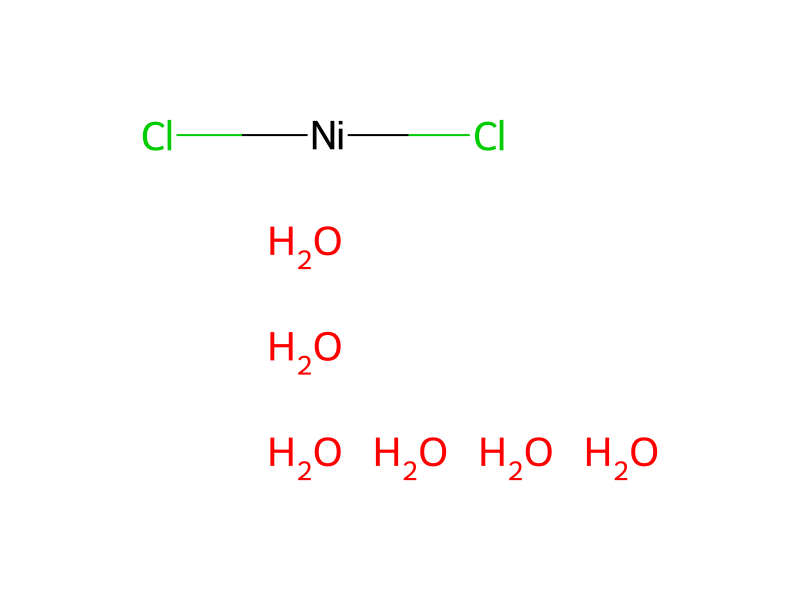
[CH3:1][N:2]1[C:11](=[O:12])[C:10]([C:20]2[CH:25]=[C:24]([O:26][CH3:27])[CH:23]=[C:22]([O:28][CH3:29])[CH:21]=2)(SC2C=CC=CC=2)[C:9]2[C:4](=[CH:5][C:6]([O:30][CH3:31])=[CH:7][CH:8]=2)[CH2:3]1.[BH4-].[Na+]>CO.O1CCCC1.O.O.O.O.O.O.[Ni](Cl)Cl>[CH3:1][N:2]1[C:11](=[O:12])[CH:10]([C:20]2[CH:25]=[C:24]([O:26][CH3:27])[CH:23]=[C:22]([O:28][CH3:29])[CH:21]=2)[C:9]2[C:4](=[CH:5][C:6]([O:30][CH3:31])=[CH:7][CH:8]=2)[CH2:3]1Participants
5
Reactant 2


Product 1

Reagents, catalysts & solvents 2

Procedure
A solution of 2-methyl-4-(3,5-dimethoxyphenyl)-4-(phenylsulfanyl)-7-methoxy-1,4-dihydro-3(2H)-isoquinolone (2.4 g) and nickel chloride hexahydrate (8.8 g) in methanol-tetrahydro-furan (3:1, 100 ml) was cooled to 0° C. Sodium borohydride (4.2 g) was added in small portions during 30 minutes at a temperature not exceeding 5° C. The slurry was filtered and the filtrate concentrated to dryness. The residue was partitioned between dichloromethane (200 ml) and aqueous sodium hydroxide (2M, 200 ml). The organic phase was dried and concentrated to dryness leaving crude 2-methyl-4-(3,5-dimethoxyphenyl)-7-methoxy-1,4-dihydro-3(2H)-isoquinolinone (1.3 g). Crystallization from methanol afforded the pure compound, m.p. 137-139
Workup
- customexceeding 5° C
- filtrationThe slurry was filtered
- concentrationthe filtrate concentrated to dryness
- customThe residue was partitioned between dichloromethane (200 ml) and aqueous sodium hydroxide (2M, 200 ml)
- customThe organic phase was dried
- concentrationconcentrated to dryness
Sources & evidence
- ORD record
- ord-c84cf7c4af9d4c568e4a4dacdc0634ce
- Source dataset
- uspto-grants-2011_10
- Patent number
- US08044067B2
Reaction notes
Loading…